
Kabelverarbeitungsmaschinen & Kabelausrüstung — Direkt ab Werk | Turingnex


CE-zertifiziertKonformität mit der Maschinenrichtlinie für EU-Märkte
ISO9001Qualitätsmanagementsystem, hauseigene Montage
RoHS-konformMaterial- und Elektronik-Compliance
100 % EinlaufgetestetJede Maschine wird vor dem Versand getestet.
ErstkäuferNeu in der Drahtverarbeitung? Beginnen Sie mit unserem Auswahlleitfaden und einem kostenlosen Mustertest.
DistributorenArbeiten Sie mit uns zusammen — OEM/ODM, Private Label und regionaler Vertrieb.
Bestehende KundenErsatzteile, Service und Aufrüstungen für Maschinen, die bereits in Ihrer Produktionslinie im Einsatz sind.
Produktkategorien
Alle Produkte Nach Maschinentyp einkaufen
Fünfzehn prozessorientierte Produktlinien, eine Fabrik – wählen Sie eine Kategorie aus, um Modelle, Spezifikationen und Lieferzeiten zu vergleichen.
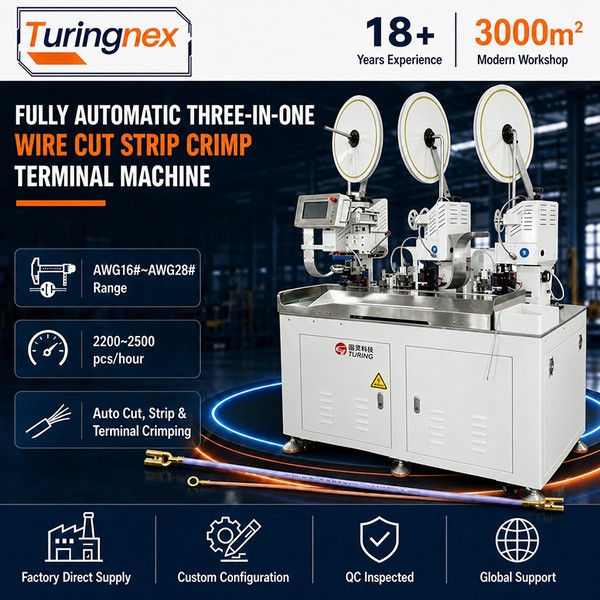
Kabelschuh-Crimpmaschine
A terminal crimping machine deforms the terminal barrel around the stripped strands so the joint carries current and resists pull-out. Crimp quality is set by the applicator or die, the crimp height relative to the terminal's window, and the pull force the finished joint withstands — not by press force alone. This is the family entry point and covers both feeding methods and both automation tiers: loose-terminal presses for low volume, banded and reel feed for automatic work, single-head and double-head configurations. Dies and applicators are machined on our own CNC vertical machining centres, so proprietary terminal series can usually be tooled. Send your terminal and we crimp and measure it before you commit.
185 Modells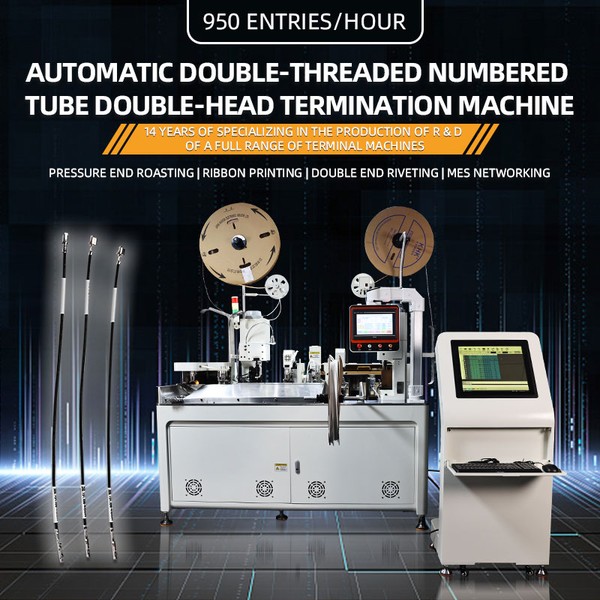
Vollautomatisches Crimpen mit Lötversiegelung
A splice in a harsh environment may need three things at once: a mechanical crimp to carry the load, solder to make the electrical joint permanent, and a seal to keep moisture out of the strands. Doing them on one machine avoids re-heating a joint that has already been crimped, which is where these assemblies most often fail. The process steps are sequenced and the heat input is controlled, because the solder stage sits next to insulation that must not be damaged. Specify the splice type, the conductor cross-section and the environmental requirement. This is a joint-specific machine: the tooling follows the splice, and a sample splice is run before shipment.
5 Modells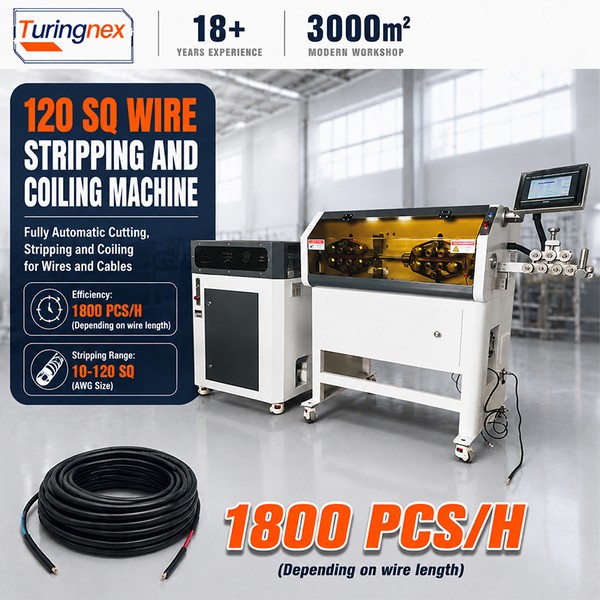
Kabel-/Drahtschneid- und Abisoliermaschine
Cutting and stripping is the first operation on any harness line: the wire is measured, cut to length, and its insulation removed at one or both ends. This page is the entry point to the family, covering general-purpose machines for single-core and multi-core wire, from bench-top pneumatic units through programmable cut-strip models that hold cut-length tolerance to ± 0.4 %. Start here if you are replacing hand tools or adding your first automatic cut-and-strip stage. If the cable has a braid, a jacket or a gauge above 120 mm² (AWG 8-0000), go to the coaxial, jacket or busbar pages instead. Every machine is run-in tested before shipment.
252 Modells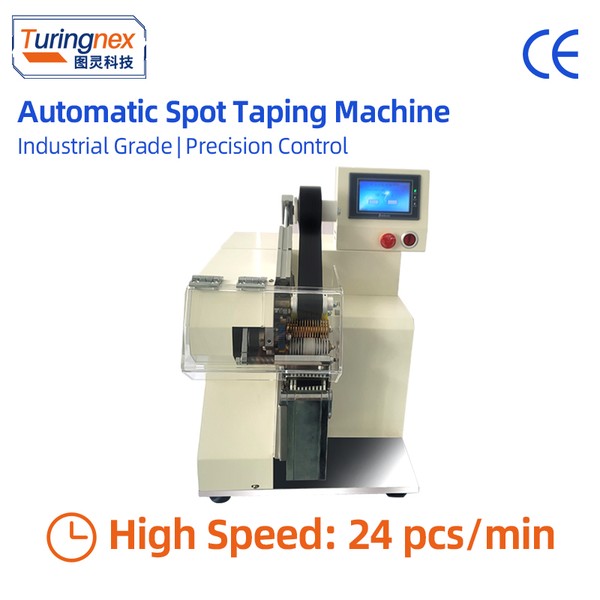
Tape Wrapping and Bundling Machine
Taping and bundling is the stage that turns a set of terminated wires into a harness: tape fixes the branches along their length, and a tie closes the bundle so it holds its shape. It is the operation most often still done by hand, and the one where labour cost concentrates on a harness line. This page opens the family and covers taping and bundling heads from handheld units through bench-top machines to in-line stations. The first specification to fix is the wrap pattern, because full wrap, point wrap and spiral are different heads and the pattern is set by the harness drawing rather than by preference. Pitch consistency is the quality figure worth asking for.
80 Modells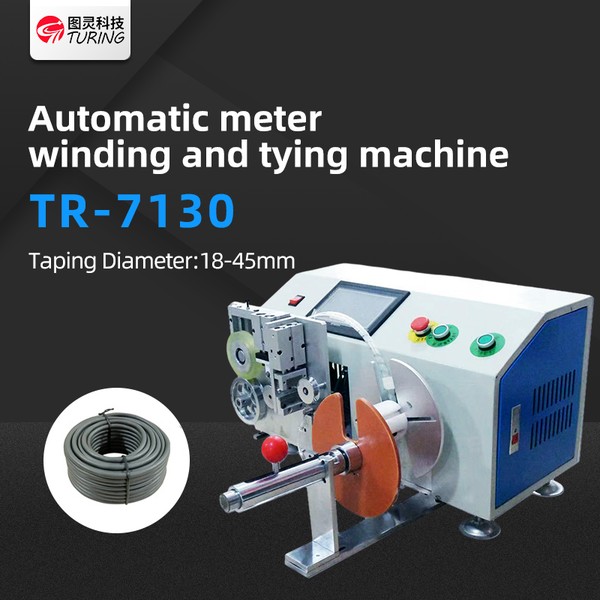
Cable Winding and Bundling Machine
Winding and tying takes a finished cable and turns it into a shippable coil: the cable is wound into a defined shape — circle, small circle, or figure-of-eight — and secured with a tie at fixed points. Figure-of-eight is used where a plain coil would introduce a twist that the cable must not carry. The machine is sized by coil outer diameter, cable diameter and coil weight, and the tie count per coil. Winding speed is almost never the constraint; what matters is that every coil comes out the same shape, because a coil that varies is a packaging problem at the customer's end. Desktop and upright versions are available. This line also covers cutting, winding and tying in one machine.
25 Modells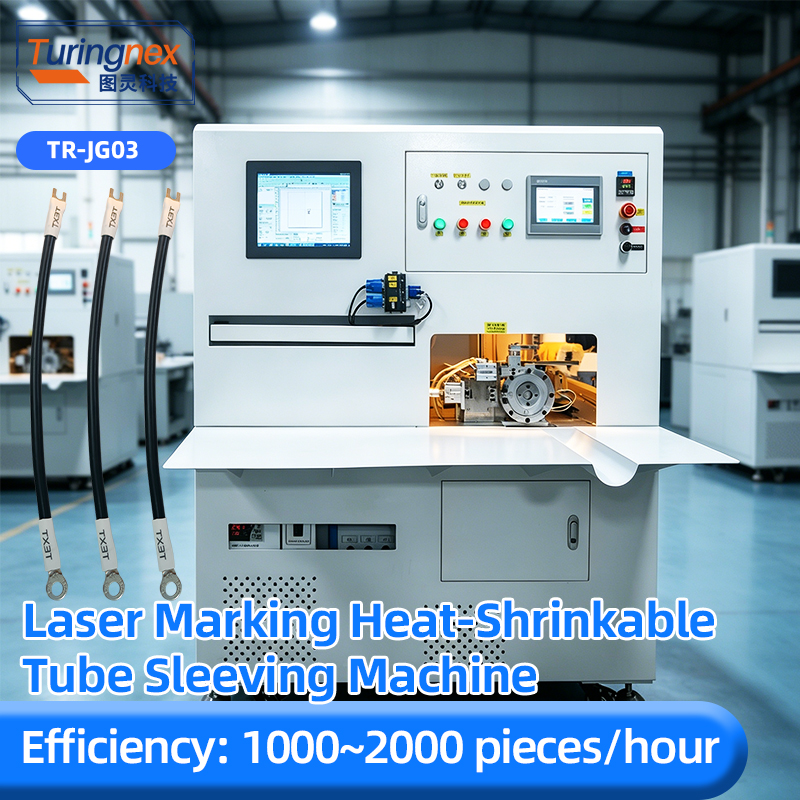
Einführmaschine für das Backen von Schrumpfschläuchen
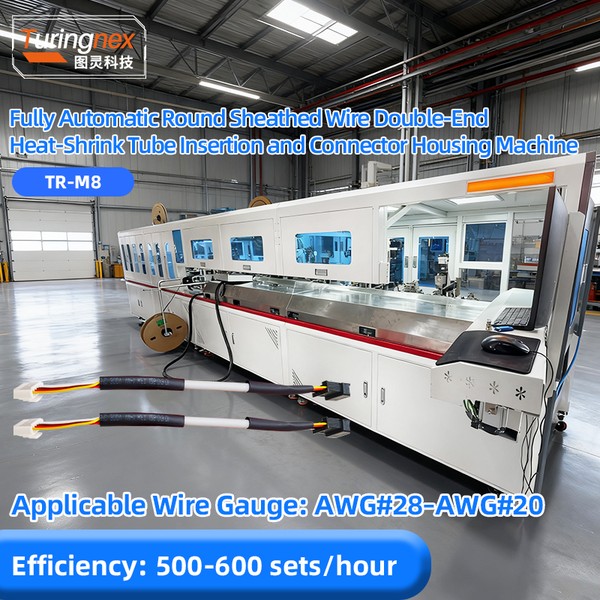
Inserting the sleeve and shrinking it are two operations, and between them the sleeve sits loose on the splice — where it can be displaced, dropped, or fitted on the wrong side of a connector. Machines on this page insert and bake in one cycle so the sleeve is never a loose part in the process. This matters most on short splices where the sleeve has little to grip before shrinking. The specification inputs are the tube inner diameter and shrink ratio, the sleeve length, and the splice geometry. Insulation that sits inside the shrinking zone has to be checked against the dwell temperature, because overheating it is a defect that appears weeks after shipment, not during assembly.
13 Modells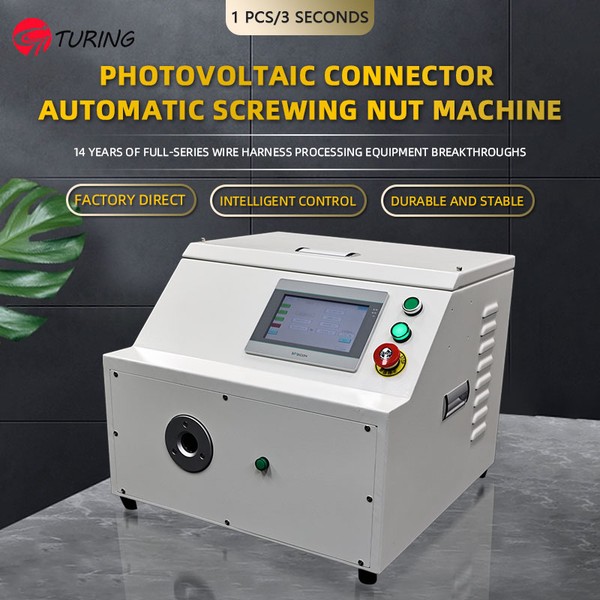
Steckverbinder-Muttern-Einschraubmaschine
Tightening a connector nut or a cable gland is a fastening operation, not a termination: the joint is already made and what remains is torque. Doing it by hand produces a torque spread that shows up later as either a loose seal or a cracked housing, and the machine exists to hold one torque across a shift. The variables are the thread size, the torque required and the access geometry around the connector — the last is usually what decides the tooling, because a nut inside a moulded housing has less clearance than the drawing suggests. Where the assembly also needs waterproofing, the sequence of nut and seal relative to the crimp has to be fixed first.
8 Modells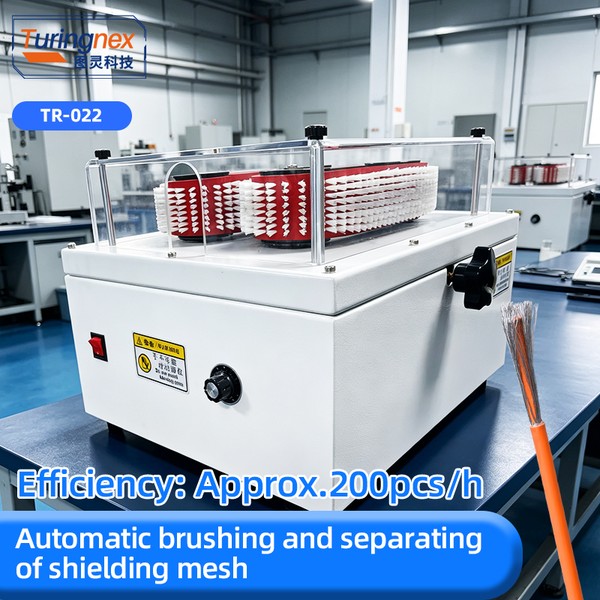
Andere
Turing ist einer der führenden chinesischen Hersteller und Lieferanten von Formen und Zubehör. Im Laufe der Jahre haben wir gute Beziehungen zu unseren Kunden im Großhandel mit sonstigen Produkten aufgebaut.
73 Modells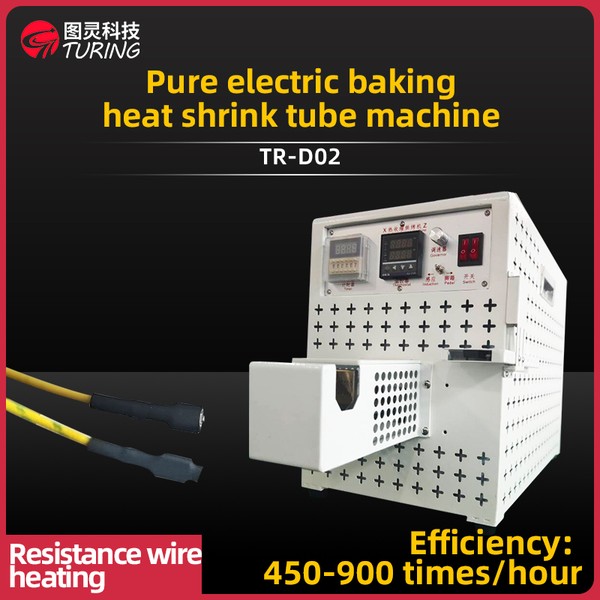
Heißschrumpf-Backmaschine
Heat shrink baking shrinks a sleeve onto a splice or terminal so it seals the joint and relieves strain. The variable that decides quality is not the oven temperature by itself but the combination of set temperature, dwell time and airflow: a sleeve can look fully shrunk on the surface while the adhesive at the splice has never reached its activation temperature. Ovens come in enclosed, semi-closed, overhead and infrared forms, and the harness geometry usually picks the form — a long assembly that cannot be placed inside a chamber needs an overhead or infrared head. Confirm the tubing specification first; the machine holds a temperature, it does not choose one.
23 Modells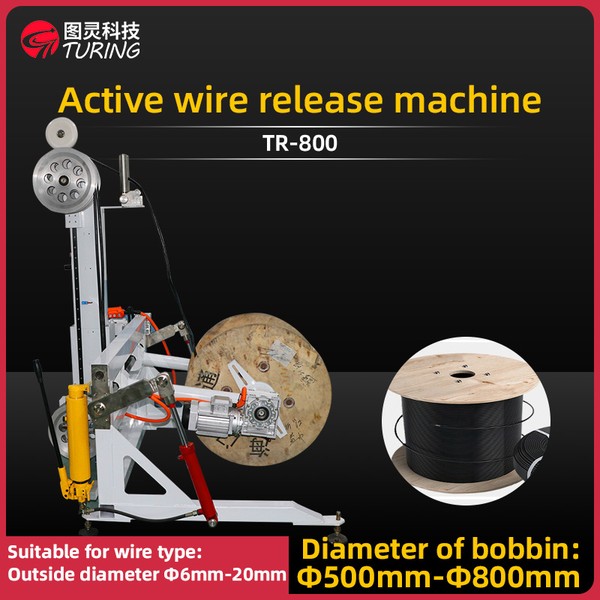
Auslaufregal
Every machine upstream in the line depends on how the wire arrives at it. A pay-off stand holds the reel and releases the wire at controlled tension; without that control the wire either drags and stretches or feeds slack and tangles, and both show up as length errors at the cutting machine rather than as a problem at the stand. The range covers passive release frames and powered unwinding reels for heavier or larger-diameter cable. The sizing inputs are reel size and weight, wire diameter and the line speed the stand must support. The English naming of this line is being re-verified; give us the reel specification on your enquiry and we will size the stand to it.
5 Modells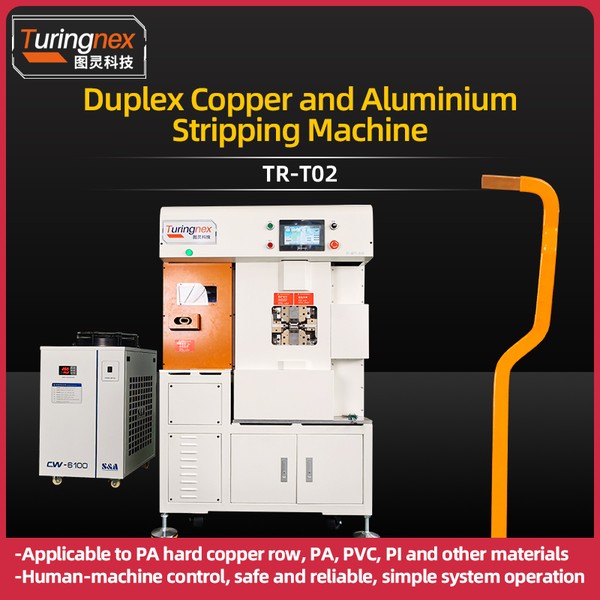
Kupfer-Sammelschienen-Abisoliermaschine
Busbar and heavy solid conductor are the heavy-gauge end of the family. The insulation is a coating or a wound sleeve rather than an extruded jacket, and the conductor is solid, so the cut is a peeling action against a rigid body instead of a blade closing on strands. Two facts decide the machine: the bar cross-section and whether it is flat, round or formed, and the insulation type, because a coating that adheres to copper behaves differently from a sleeved bar. This is a small, specialised product line whose English name is currently being re-verified against search demand; describe your application on the enquiry and we will confirm which configuration applies.
3 Modells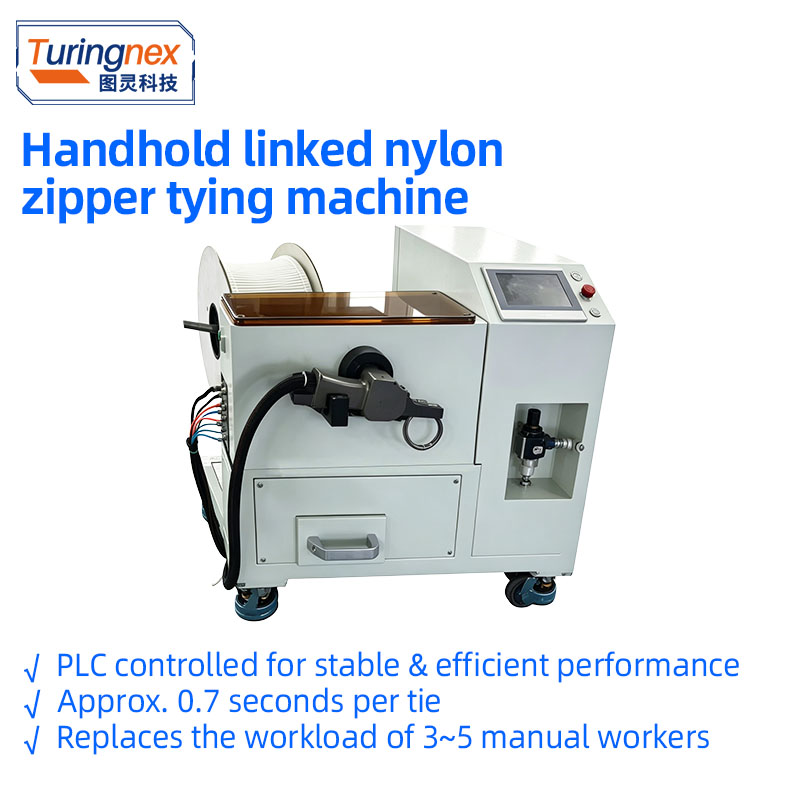
Nylon Cable Tie Bundling Machine
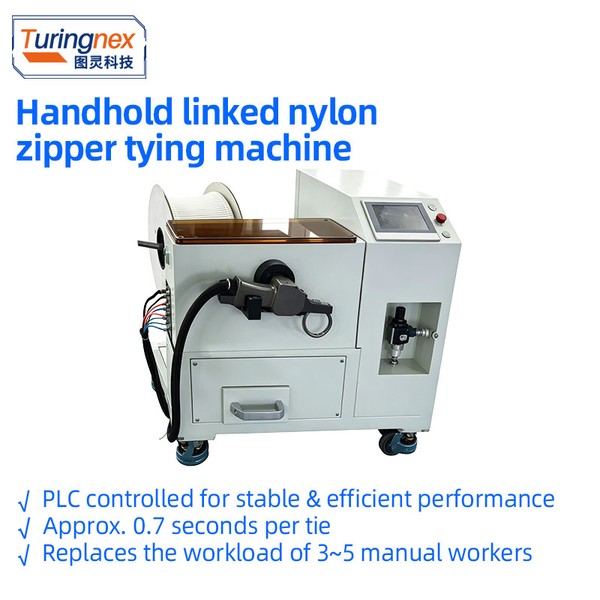
A nylon cable tie is the cheapest way to close a bundle, which is why it is still applied by hand on most lines — and why the machine earns its place: it tightens every tie to the same tension and cuts the tail flush, so the finished bundle neither crushes the wires nor leaves a tail that cuts the installer. The range covers handheld units that follow the operator along a long branch, and desktop units for short repeated branches. The sizing inputs are tie width and length, bundle diameter, and the loop tension your wiring can tolerate. Our handheld unit takes 3.6 × 200 mm ties and runs on 0.2 kW at AC 220 V. Tie material and length are confirmed against your bundle before ordering.
17 Modells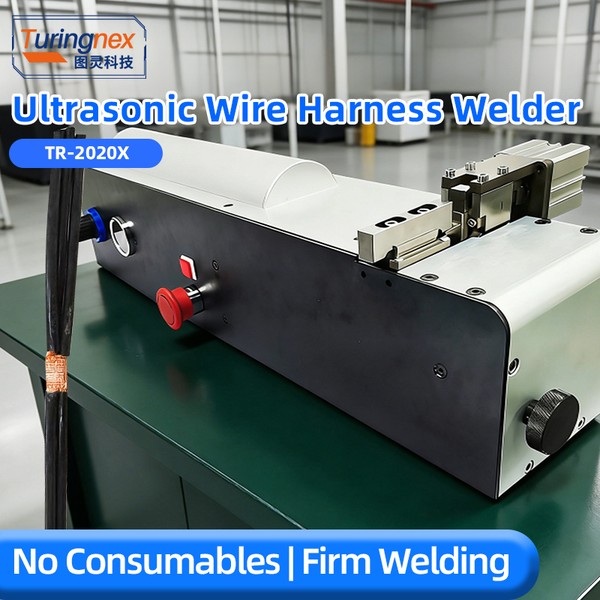
Schweißgerät
Ultrasonic welding joins stranded copper to stranded copper, or wire to a terminal or busbar, without solder, flux or filler metal. A sonotrode presses the strands together while oscillating at ultrasonic frequency, and the strands bond to each other in the solid state. The result is a joint with no third metal in it and no heat-affected zone, which is why it appears where a crimped splice would introduce a dissimilar material or where the joint will see thermal cycling. Weld quality is judged on two measurements together — pull force and cross-section — because a joint can pass pull test while the section shows an incomplete bond. Tooling follows the joint geometry.
11 Modells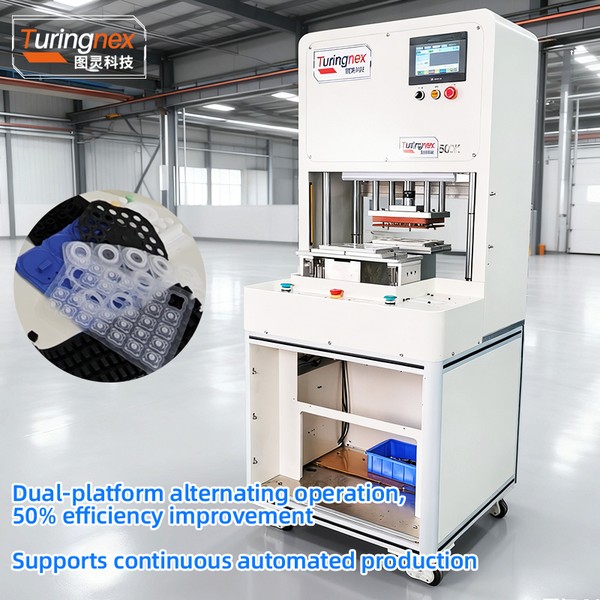
Schneid- und Stanzmaschine
Flat cable, insulating paper, tape and formed insulation components are cut to length and punched in the same pass — a hole, a notch or a locating feature that a guillotine alone cannot produce. The process is closer to a press operation than to wire cutting: the sizing inputs are the material thickness, the tooling geometry and the total force the punch needs, and the cut quality is judged on burr height rather than on length tolerance. If your part is cut only and carries no hole or notch, the tape cutting machines are the better match. Tooling is made to your drawing, and a first-article sample is run before shipment.
1 Modell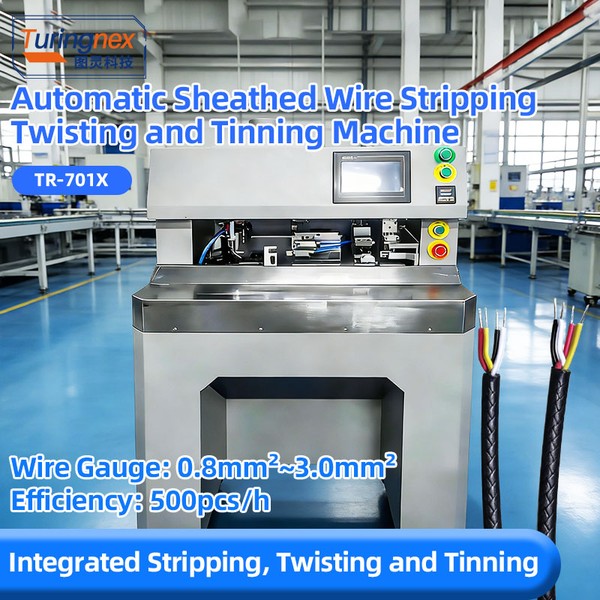
Zinn-Tauchmaschine
Hot-dip tinning closes a stranded end: the wire is fluxed and dipped in molten solder so the strands are locked together. It is used ahead of screw clamps and soldered joints, where bare strands would spread and unwind under torque, and on multi-core cable where the ends must be held together to be inserted. The process variables belong to your downstream process, not to the machine — solder alloy, flux type and bath temperature are set by what happens to the joint afterwards. The range covers standalone tinning machines and multi-core and double-head versions. Note the distinction from crimp-and-dip machines: those apply a terminal as well, these do not.
2 Modells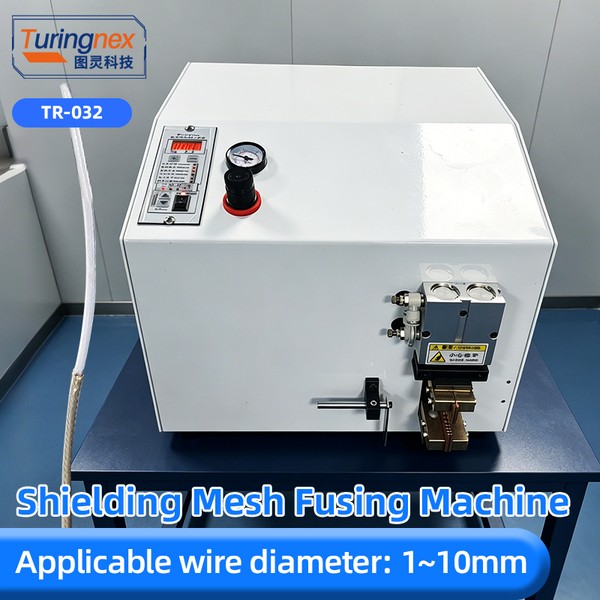
Abgeschirmte Maschine zum Bürsten, Wenden und Schneiden von Mesh
A shielded cable carries a braided mesh that has to be separated from the dielectric, brushed or combed to remove stray strands, turned back or cut to length, and dressed so it can be terminated without shorting the conductor. Done by hand this is slow and it is where shield fragments end up inside the joint. Machines on this page perform those mesh operations in a controlled cycle with consistent length. The specification inputs are the braid construction — material, coverage percentage, wire diameter — and the cable construction beneath it, because brushing depth is set relative to the dielectric and over-brushing damages it. We run a length of your cable before shipment.
6 Modells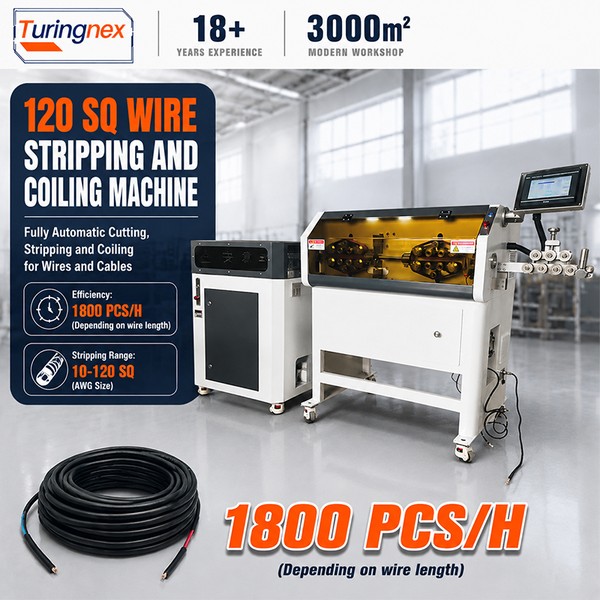
Vollautomatische Schweiß- und Gehäuseeinsetzmaschine
Welding a splice and then inserting it into a housing are normally two stations, and the gap between them is where the strands get disturbed: a welded bundle handled as a loose part can be spread or bent before the housing locks it. This machine welds and inserts in one automatic cycle, so the joint goes from the anvil straight into the housing without being picked up. Specifying it needs three things: the bundle cross-section, the weld area, and the housing part number with its cavity layout. Because the tooling follows both the splice and the housing, a change in either is a tooling change. A sample bundle and housing are run before shipment.
1 Modell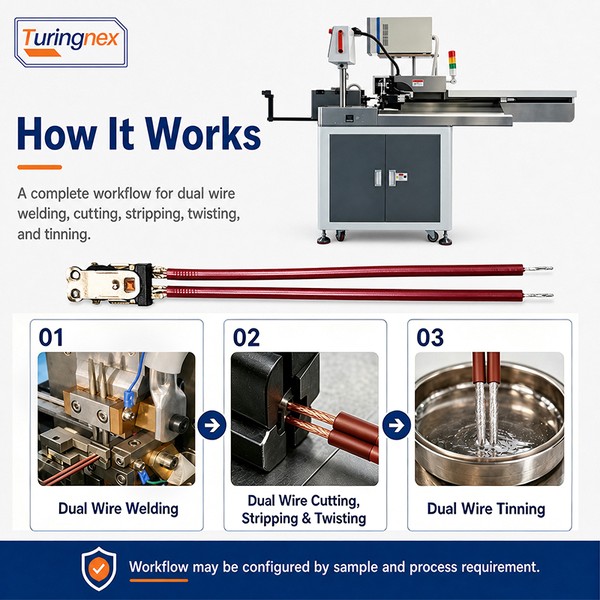
Protector-Schweißgerät
A thermal protector has to be welded into a harness without heating the bimetal inside it, which is what makes this a distinct machine rather than a general welder: the weld is made by ultrasonic energy precisely because it does not conduct heat into the part. Operation runs at 850 pcs/h on AWG16#–AWG26# copper wire, with vibratory bowl feeding and multi-stage inspection rejection, so a part that fails the check is removed from the flow rather than passing to the next station. The specification inputs are the protector part number, the wire gauge and the required weld area. Because the component is the constraint, we weld your protector and your wire and return a cross-section before the order is confirmed.
3 ModellsFlaggschiffmaschinen
Unsere am häufigsten angeforderten Kabelverarbeitungsmaschinen.
TR-LD200
Handgerät zum Binden von Nylon-Kabelbindern
- Größe der Krawatte
- 3.6 x 200 mm
- Leistung
- 0.2 kW
- Spannung
- AC 220V, 50/60Hz
Ideal für die Bündelung großer Mengen verbundener Nylon-Kabelbinder mit 3,6 x 200 mm – die automatische Zuführung reduziert den manuellen Aufwand beim Einlegen der Kabelbinder, und die digitale Spannkraftregelung sorgt für einheitliche Bündel.
Preis auf Anfrage CE-zertifiziert
Warum Turingnex
Warum Käufer die Fabrik wählen
Vier messbare Gründe – jede nachstehende Aussage ist eine dokumentierte Fähigkeit, keine Marketingaussage.
Präzision, die Sie messen können
Servogesteuerte Klingen halten die Streifenlänge auf 0,1 mm genau – sauber, gratfrei und Charge für Charge reproduzierbar.
Nachgewiesene Produktionsgeschwindigkeit
Echte Spezifikationen – Durchsatz, Drahtbereich und Zykluszeiten auf jedem Datenblatt, und jede Maschine wird vor dem Versand zu 100 % im Probelauf getestet.
Individuelle Werkzeuge
Stanzwerkzeuge und Applikatoren nach Ihrer Klemmenzeichnung gefertigt — JIS/ISO-Werkzeuge, Passform vor dem Versand der Maschine bestätigt.
Globaler Kundendienst
12-monatige Garantie, Original-Ersatzteile weltweit und Fernsupport mit einer Antwort innerhalb von 24 Stunden.
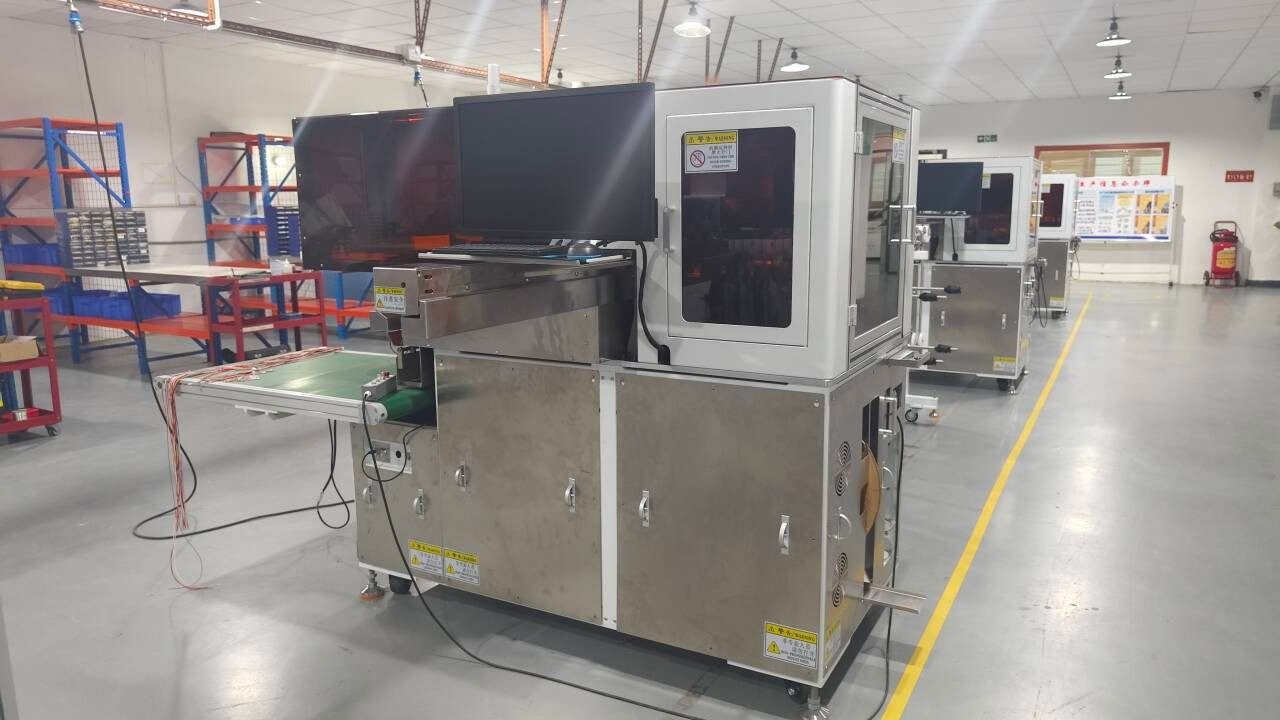 Montiert und einer Qualitätskontrolle in unserem Werk in Qingxi unterzogen
Unsere Fabrik · Dongguan
Wir sind die Fabrik – kein Handelsunternehmen
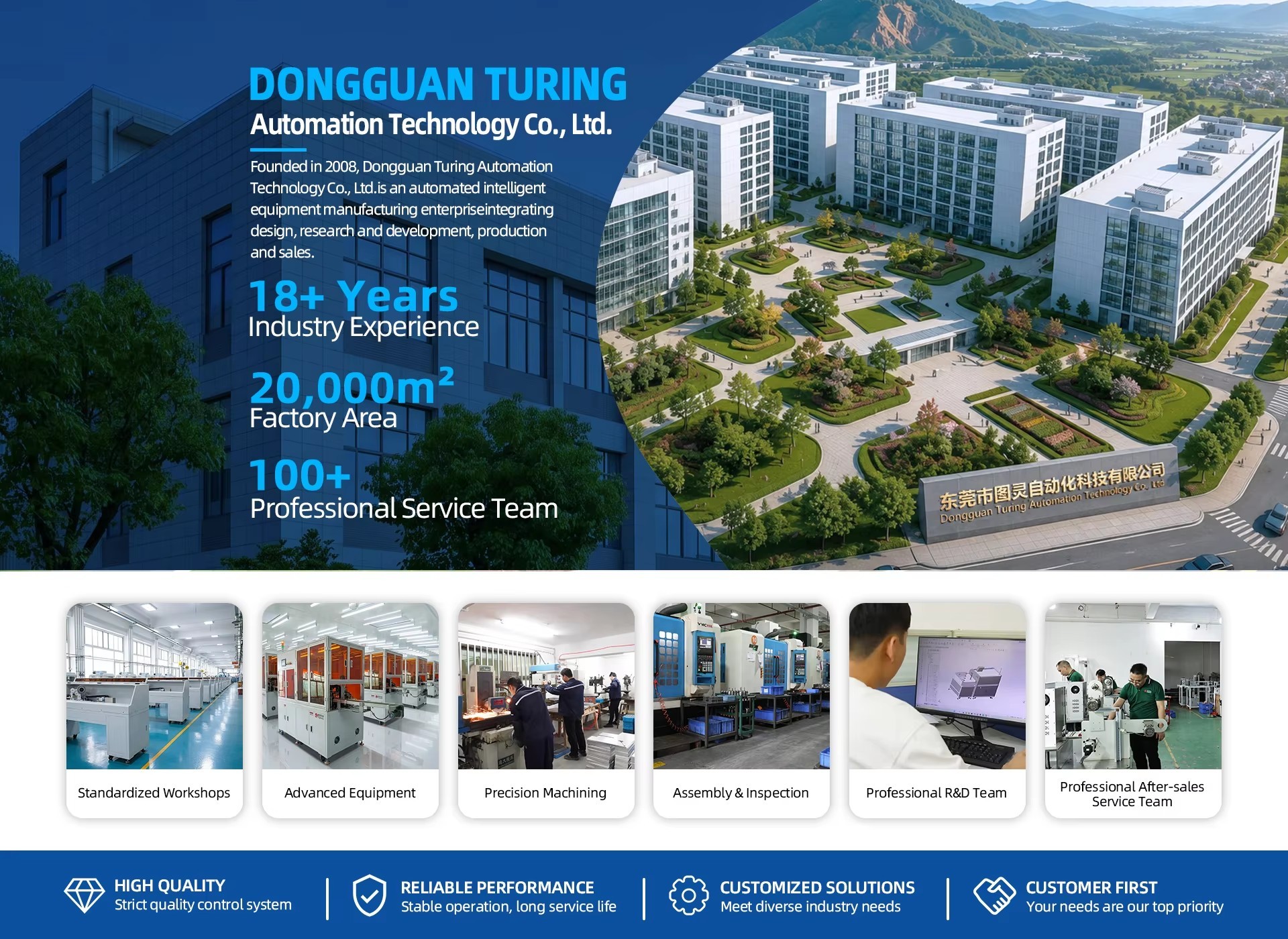
Turingnex ist der Hersteller: internes Design, Forschung und Entwicklung, Montage, Einlauftests und Qualitätskontrolle – keine Zwischenhändler, keine Wiederverkäufer.
Gegründet 2008 · 18 Jahre Erfahrung mit Drahtverarbeitungsmaschinen
20,000㎡Fabrikgelände, Dongguan
10,000+Weltweit installierte Maschinen
50+Exportländer
98%Pünktliche Lieferung
- Raw material check
- Machining
- Assembly
- 100% run-in test
- Shipment video
Anwendungen
Branchen, die wir bedienen
Automatisierung der Kabelverarbeitung für die Kabelbaumfertigung in acht Endindustrien – Maschinen, die auf die jeweilige Anwendung ausgelegt und dafür ausgerüstet sind.
Automobilindustrie
Neue Energie & Elektrofahrzeuge
Haushaltsgerät
Luft- und Raumfahrt & Verteidigung
Medizinische Geräte
IKT & Kommunikation
Industrielle Steuerung
Unterhaltungselektronik
Leitfäden für Industrieausrüstung:Kabelbaum für Automobile Verkabelung von Haushaltsgeräten Neues Energiekabel Kabelverarbeitung
Nach Anwendung, Produkt oder Technologie erkunden
Drei Möglichkeiten, Ihre Linie zu finden
Beginnen Sie mit der Branche, die Sie bedienen, der Maschine, die Sie benötigen, oder dem Prozess, den Sie perfektionieren möchten – jeder Weg führt zur richtigen Konfiguration.
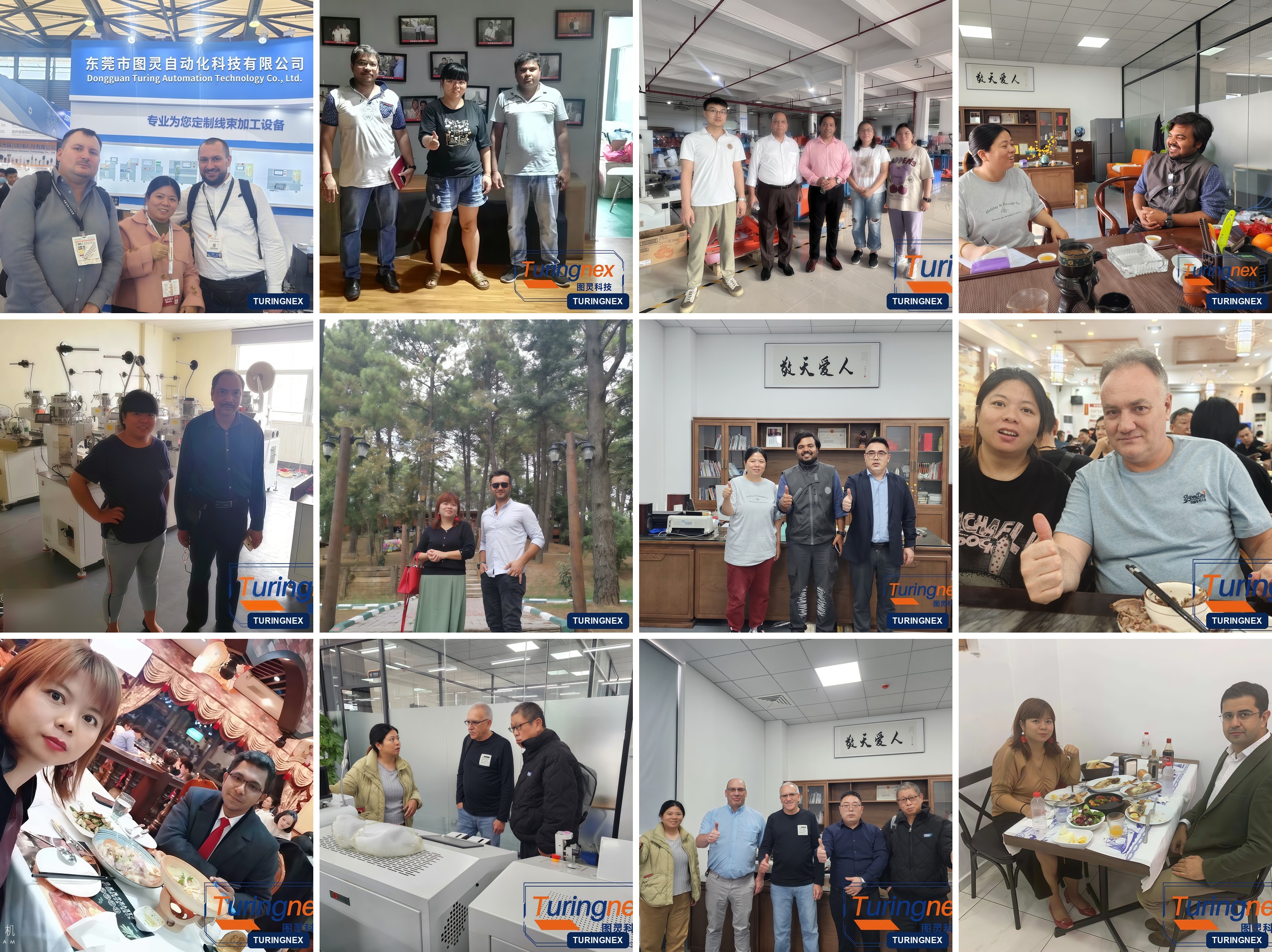
Unsere Kunden
Echte Kunden, echte Leitungen
Zwölf echte Momente von Messen, Werksbesuchen und Treffen mit Kunden in vielen Ländern. Die Maschinen, die Sie auf dieser Website sehen, sind in echten Produktionslinien im Einsatz – jede Maschine, die wir versenden, wird für einen echten Kunden gebaut, getestet und installiert.
Kundennamen, Falldaten und Zitate werden mit schriftlicher Genehmigung geteilt – auf dieser Website gibt es keine Platzhalter-Kundenreferenzen.
Kundenfall
Zusammenarbeit mit Geschirrläden weltweit
Fotos, die in den Produktionshallen der Kunden aufgenommen wurden.
Kabelbaum und Kabelkonfektion
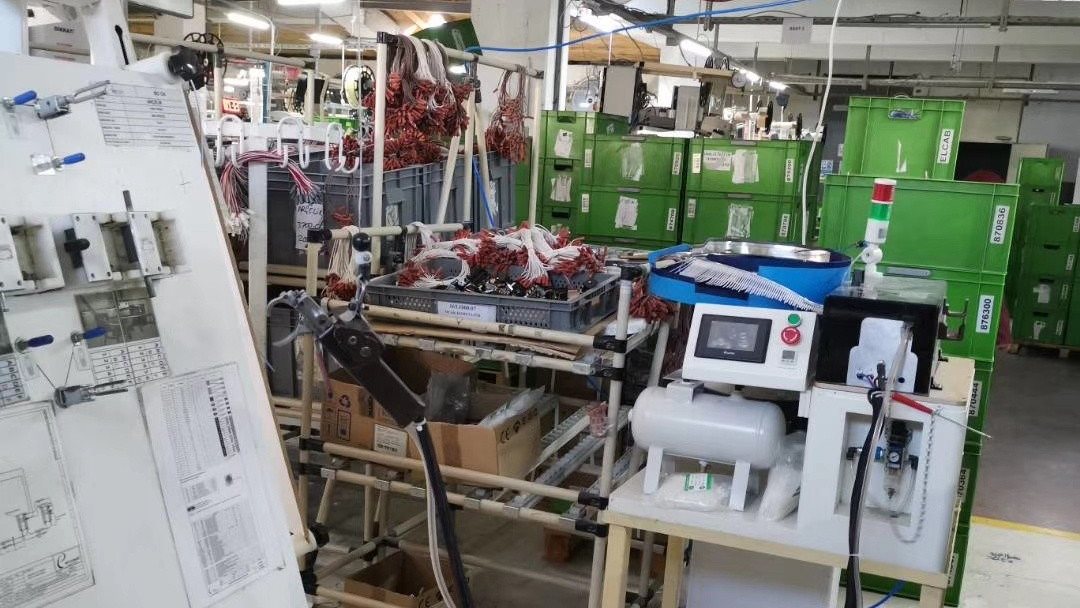
Elcab · Türkei
Elcab fertigt in der Türkei Kabelbäume und Kabelkonfektionen. Diese Fotos stammen aus der Produktionshalle, wo eine handgeführte Nylon-Kabelbindermaschine von Turingnex betrieben wird, wobei das Handwerkzeug von einem Tischgerät versorgt wird.
Handheld-Nylon-Kabelbinder-MaschineBranchen
Branchen, die wir ausstatten
Die Anwendungen, mit denen wir ausstatten, und die Prozessschritte, für die normalerweise eine Maschine erforderlich ist. Fragen Sie uns nach Referenzen in Ihrem Markt.
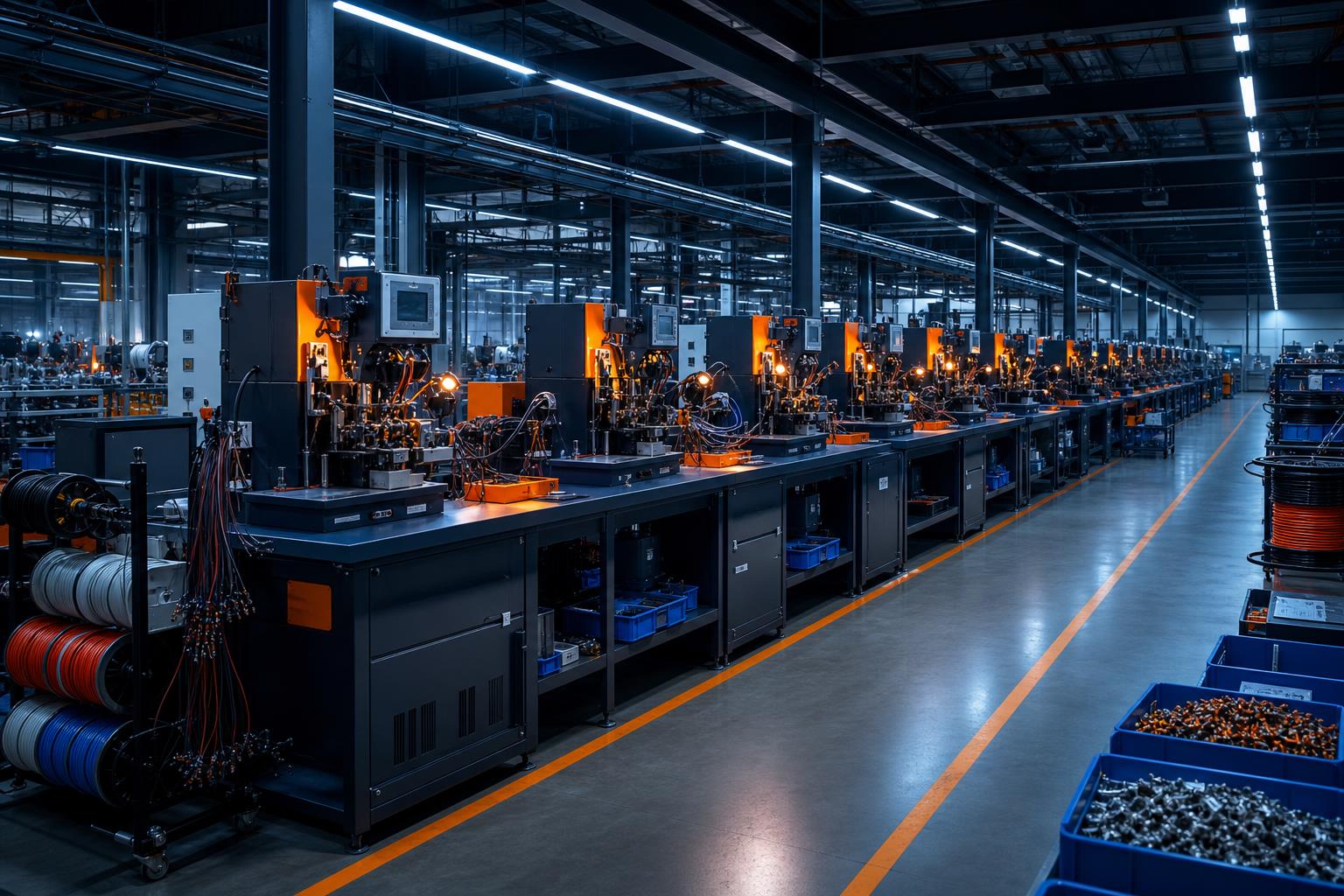
Kabelbaum für Automobile
Crimpen von Terminals mit hoher Variantenvielfalt und Rückverfolgbarkeit
Hochmix-Terminals über verschiedene Fahrzeugmodelle hinweg, bei denen die Rückverfolgbarkeit der Crimpverbindungen und Audit-Aufzeichnungen wichtig sind.
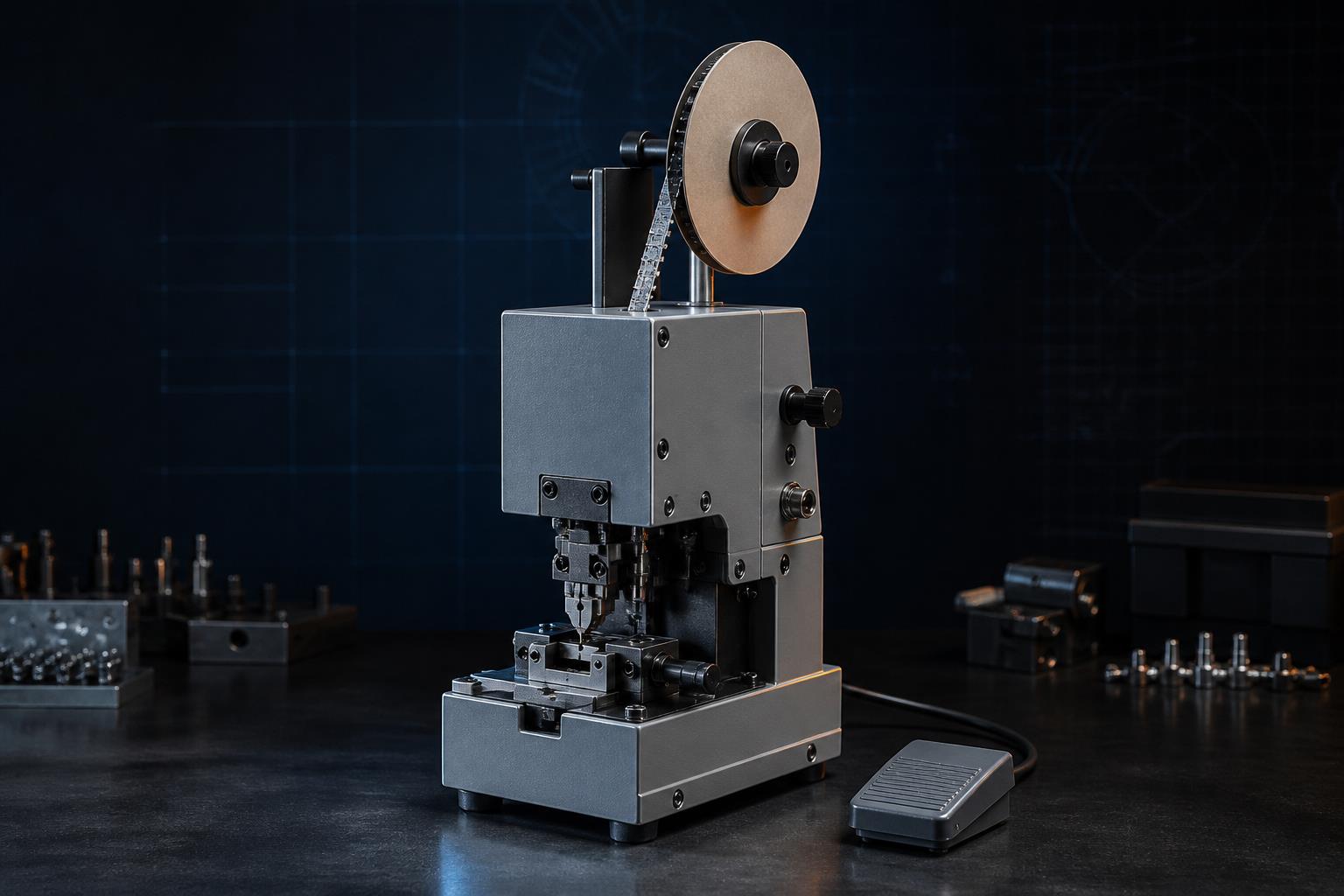
Verkabelung von Haushaltsgeräten
Häufige Umrüstungen, gleichbleibende Crimpqualität
Kleinserien mit häufigen Wechseln zwischen Drahtstärken.
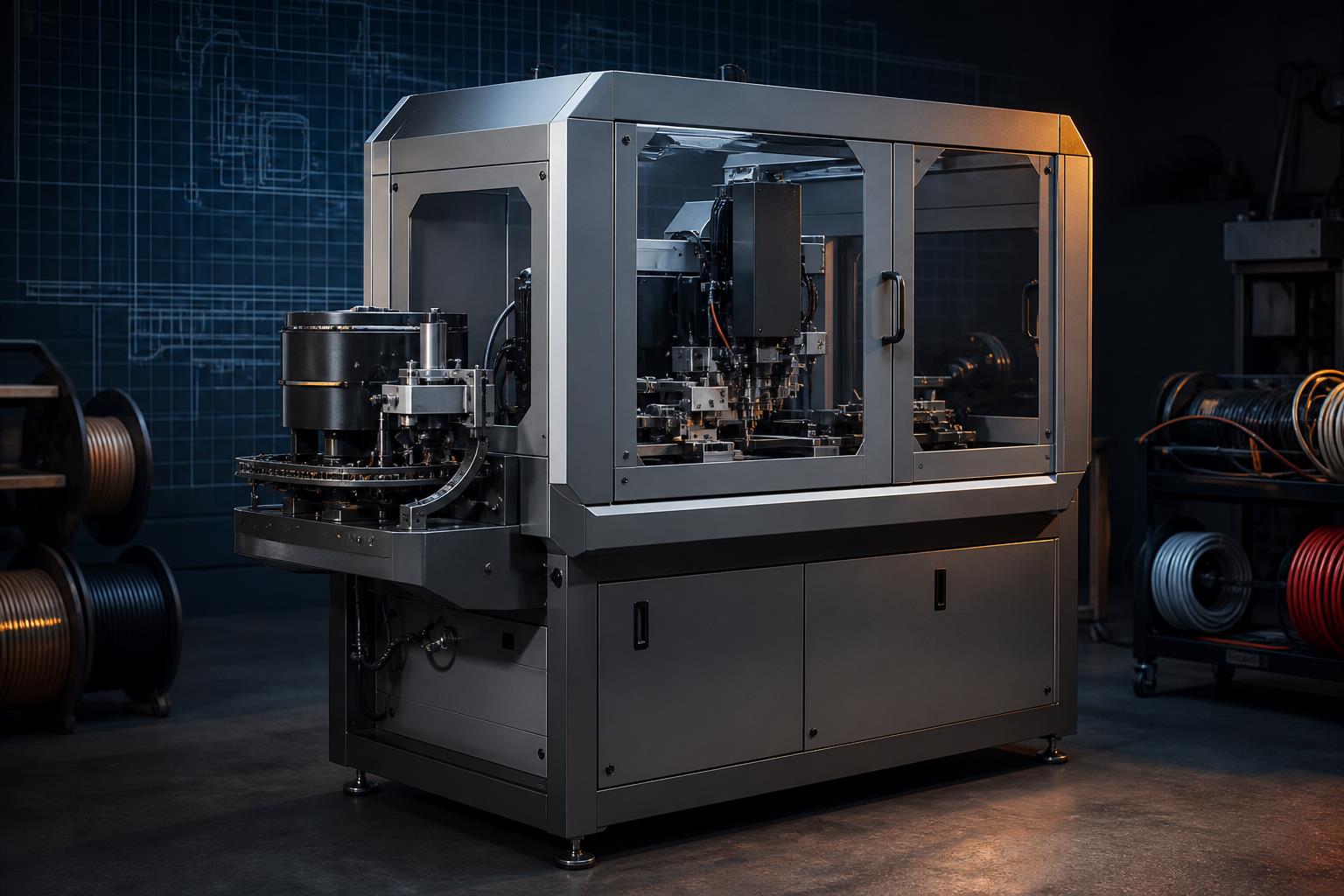
Neues Energiekabel
Verarbeitung von HV-Kabeln mit großem Querschnitt
Großquerschnitt-HV-Kabel: Abisolierqualität und Isolationsintegrität.
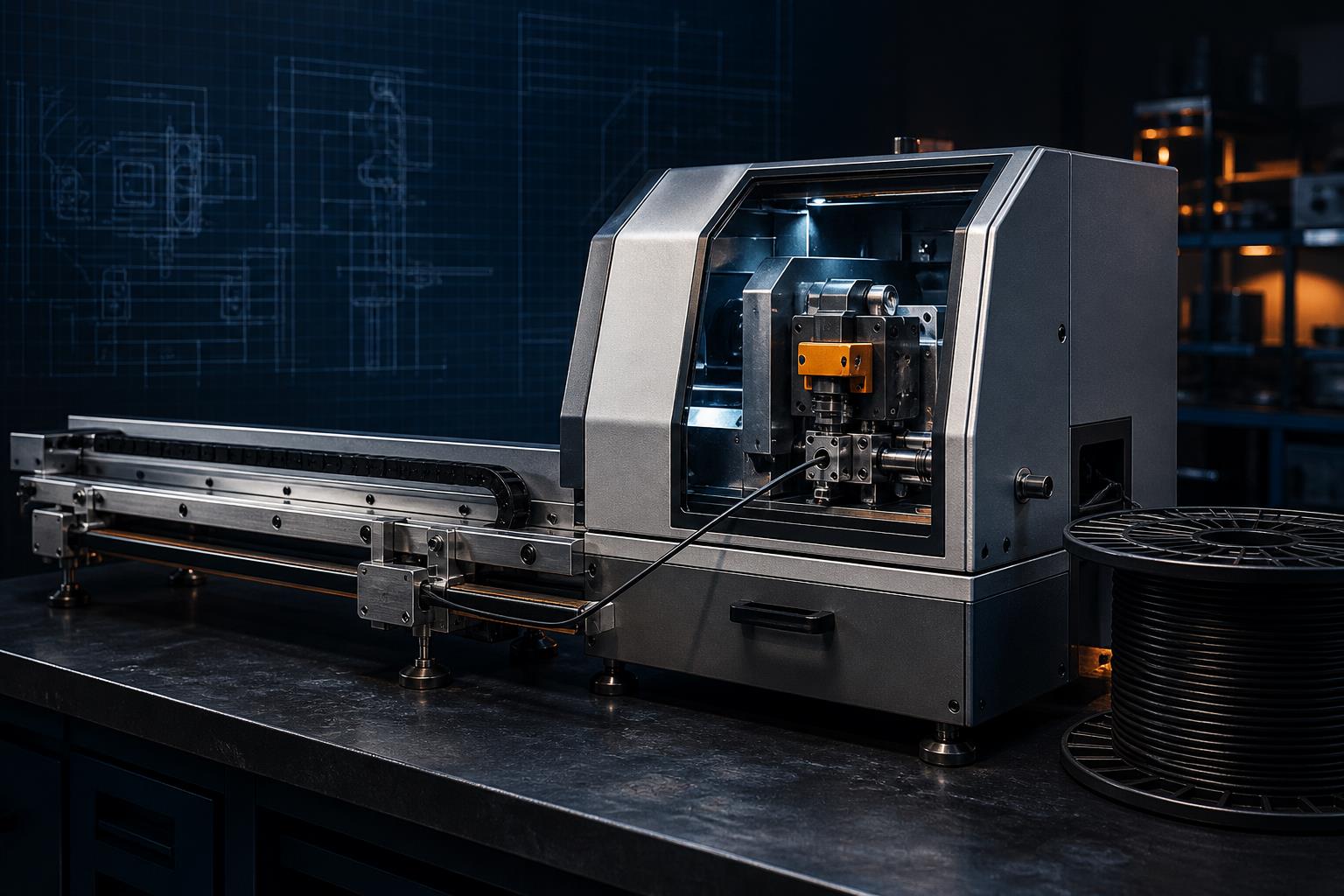
Kabelverarbeitung
Mehrprozessanlagen zum Schneiden, Abisolieren, Crimpen und Testen
Mehrprozesslinien – Schneiden, Abisolieren, Crimpen, Testen – mit vorrätigen Matrizen und Ersatzteilen.
Service- und SupportablaufVom Erstkontakt bis zum Kundendienst – zum Erweitern tippen
Ihr vertrauenswürdiger Partner
Vom ersten Gespräch bis zur Produktion
Ein Ingenieur begleitet Ihr Projekt von der Materialprobe bis zur in Betrieb genommenen Anlage – keine Callcenter, keine Übergaben.
1
Beratung
Teilen Sie Ihren Kabelbereich, Ihre Anschlussklemmen und Ihre gewünschte Leistung mit – ein Ingenieur, kein Callcenter.
2
Mustertest
Senden Sie uns Ihr Material. Wir führen einen kostenlosen Crimp-/Abisoliertest durch und senden Ihnen vor Ihrer Zusage ein Video.
3
Konfiguration & Angebot
Genaue Parameter, Preis und Lieferzeit werden innerhalb von 24 Stunden schriftlich bestätigt.
4
Inbetriebnahme & Kundendienst
Anleitung zur Einrichtung, Ersatzteile und Fernsupport nach der Lieferung.
Kundendienst & Support
Kontaktieren Sie den Support Gekauft. Installiert. Unterstützt.
Garantie, Ersatzteile, Inbetriebnahme und Fernunterstützung – die Maschine verdient auch nach der Rechnung weiter.
Garantie & Ersatzteile
Garantieabdeckung für jeden Maschinenbau, mit weltweit versendeten Originalersatzteilen.
Vor-Ort-Inbetriebnahme
Technikerunterstützte Einrichtung bei Ankunft, einschließlich Bedienerschulung in Ihrer Bestellung.
Technischer Fernsupport
Videoanruf-Diagnose und Einrichtungsanleitungen — kein Warten auf E-Mail-Ketten.
Dokumentation & Schulung
Bedienungsanleitungen, Datenblätter und Video-Tutorials in klarem, technischem Englisch.
Ressourcen-Hub
Lesen Sie den Leitfaden Anleitungen vor dem Kauf
Auswahlrahmen, Wartungs-Know-how und Branchentrends – geschrieben für Kabelkonfektionäre, nicht für Suchmaschinen.
Kabelabisoliermaschinen nach Produktfamilie: Von Tischgeräten bis zu automatischen Geräten
Pneumatische Abisoliermaschinen für den Tisch, computergesteuerte Abisoliermaschinen für ein- und zweiseitiges Abisolieren, Abisolier- und Aufwickelmaschinen für große Drähte: Wählen Sie die passende Produktfamilie für Ihren Drahtbereich, Ihre Chargengröße und die gewünschte Verarbeitung.
Anleitung lesen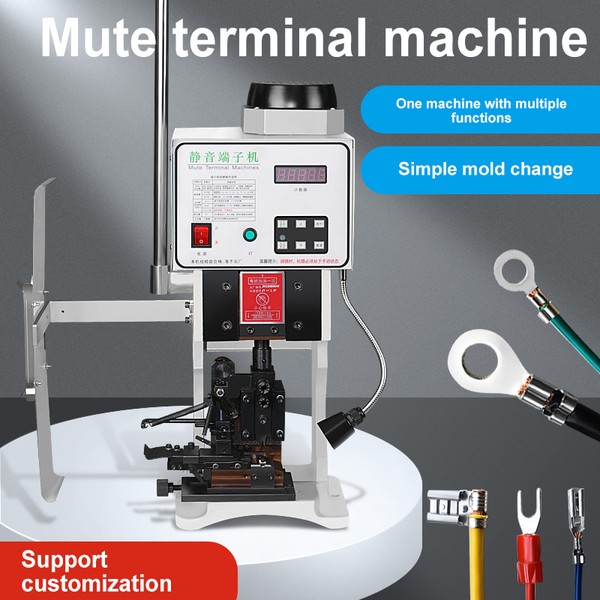
Wartung der Crimpmaschine: tägliche bis monatliche Prüfungen
Die Crimpqualität driftet, bevor sie versagt. Eine einfache tägliche, wöchentliche und monatliche Routine für Tischpressen und automatische Maschinen hält die Crimphöhe stabil.
Anleitung lesen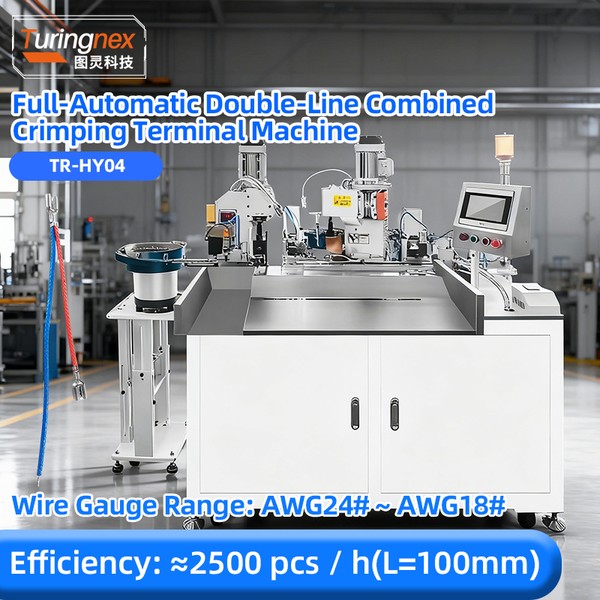
Automatisierung der Drahtverarbeitung im Jahr 2026: Welche Maschinen hinzukommen
Zuführung, Zweimodus-Schweißen, Servokraftdaten und Integration der Einfügung sind die vier Trends, die Kabelbaumlinien verändern – was von den Maschinen zu erwarten ist.
Anleitung lesenFAQ
Alle FAQs anzeigen Schnelle Antworten, bevor Sie fragen
MOQ, Lieferzeit, Zahlung, Versand und Werkzeugkosten – die Fragen, die jeder Käufer zuerst stellt.
Die Mindestbestellmenge beträgt bei Standardmodellen 1 Maschine – Sie können ein einzelnes Gerät an einer Produktionslinie testen, bevor Sie skalieren. Kundenspezifische Matrizen werden stückweise bestellt.
Gängige Standardmodelle sind auf Lager und können sofort versendet werden; kundenspezifische (nicht standardmäßige) Maschinen werden auf Bestellung innerhalb von 7–15 Tagen gefertigt. Matrizen und Lieferzeit werden im Angebot bestätigt.
Standardzahlungsbedingungen sind T/T — 30 % Anzahlung zum Produktionsbeginn und 70 % Restzahlung vor dem Versand. L/C und Alibaba Trade Assurance werden ebenfalls akzeptiert.
Unsere Fabrik verfügt über eine CE-Zertifizierung und ein Qualitätsmanagementsystem gemäß ISO9001. Bestellungen können durch Alibaba Trade Assurance geschützt werden. Zertifikate sind auf Anfrage erhältlich.
Ja. Senden Sie Ihre Drähte und Klemmen, und wir arrangieren einen kostenlosen Crimptest oder eine Probe – so können Sie die Qualität überprüfen, bevor Sie sich festlegen.
Angebot anfordern
Teilen Sie uns mit, was Sie zur Bearbeitung benötigen.
Senden Sie Ihren Drahtbereich, die Anschlüsse und die gewünschte Leistung. Ein Ingenieur antwortet mit Angebot, Werkzeugkosten und Lieferzeit.
- Angebot innerhalb von 24 Stunden (Mo.–Sa.)
- Kostenloser Crimptest mit Ihrem eigenen Material
- Direkt ab Werk — keine Zwischenhändler
Finanzierung und Inzahlungnahme verfügbar — T/T, Western Union & MoneyGram werden akzeptiert; Anrechnung einer gebrauchten Maschine beim Kauf einer neuen Anlage.Siehe Zahlungs- und Inzahlungnahmebedingungen