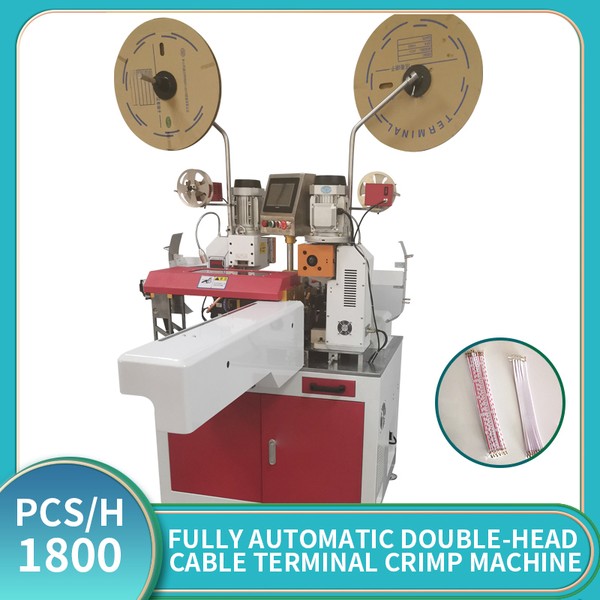
TR-TC03
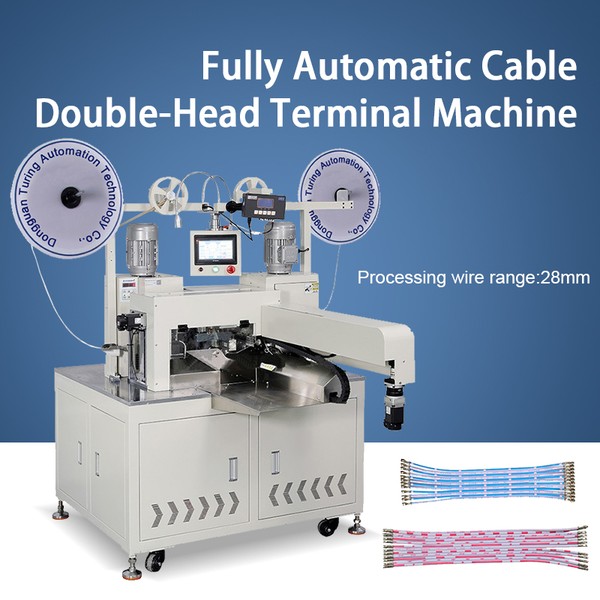
TR-TC03 Máquina de crimpagem de terminais de cabos totalmente automática com duas cabeças
- energia
- AC220V/50HZ, 300W
Orçamento mediante solicitação Certificação CE

A terminal crimping machine deforms the terminal barrel around the stripped strands so the joint carries current and resists pull-out. Crimp quality is set by the applicator or die, the crimp height relative to the terminal's window, and the pull force the finished joint withstands — not by press force alone. This is the family entry point and covers both feeding methods and both automation tiers: loose-terminal presses for low volume, banded and reel feed for automatic work, single-head and double-head configurations. Dies and applicators are machined on our own CNC vertical machining centres, so proprietary terminal series can usually be tooled. Send your terminal and we crimp and measure it before you commit.
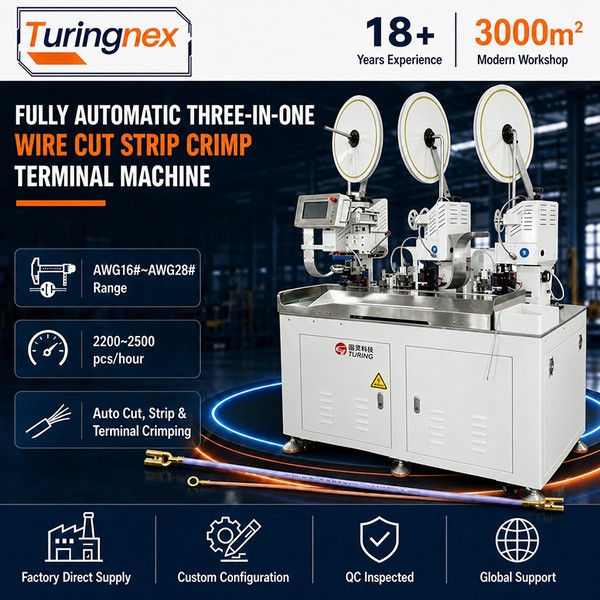
On a fully automatic machine the terminal feeds itself: cut, strip, crimp and often inspect happen in one cycle with no operator handling the terminal. Throughput is the visible difference, and the real one is consistency — a machine-fed terminal is presented at the same position every cycle, so crimp height varies with the die rather than with how the operator seated the terminal. On our three-in-one crimping platform, output runs 2,200–2,500 pcs/h on wire shorter than 300 mm. This tier is specified when volume justifies it and when the terminal is available banded or on reel; loose terminals do not feed automatically, which is the constraint most often discovered late.
26 modelos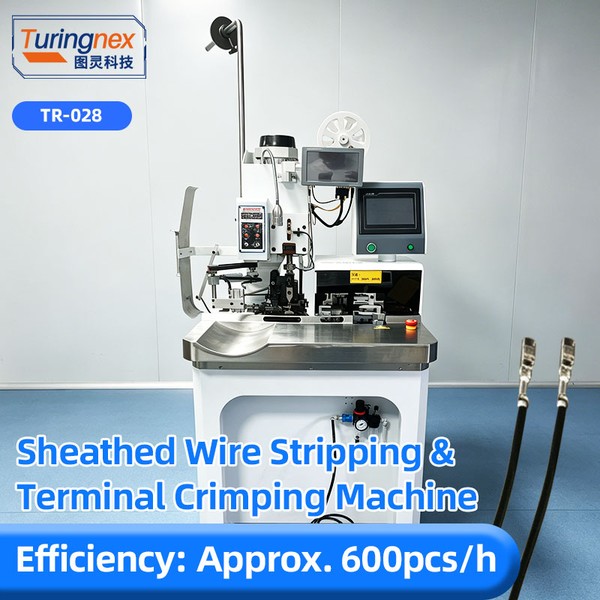
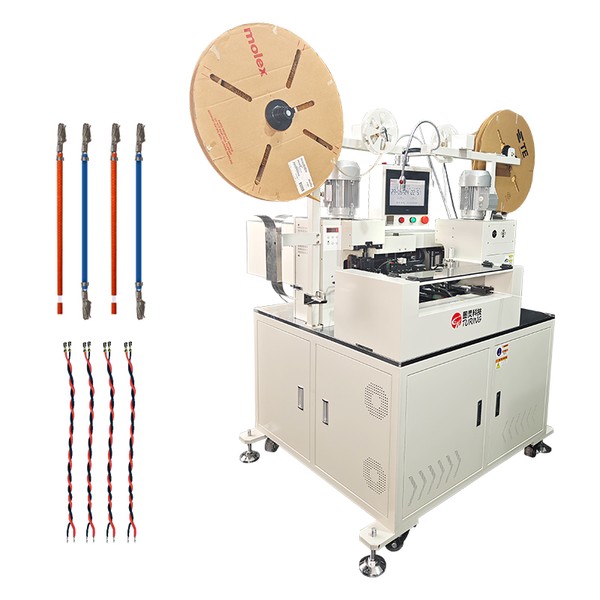
This is the combined machine: the wire is stripped and the terminal applied without the prepared end leaving the machine. The gain is one handling step per wire, and the second gain is that a freshly stripped end is never set down, so strands cannot splay or pick up contamination between the two operations. Selection is defined by the two ends of the machine rather than by the middle: the strip head sets the cross-section range, and the press plus applicator set the terminal series. Single-head and double-head versions exist; the double-head is chosen when both ends are terminated and the wire is long enough to be indexed end to end.
17 modelosAn operator-fed press is the tier where crimp quality stops depending on how hard someone squeezed a hand tool. The terminal is placed by hand, the press closes, and the operator moves the next wire — which is exactly why this tier belongs to low volume, frequent terminal changes, and jobs where setting up an automatic feed costs more than the batch is worth. Two variants are on this page and they are chosen for different reasons: mute-terminal presses are specified where the press runs all shift and the shop floor has a noise limit, and bulk-terminal presses where terminals arrive loose in quantity. Confirm the terminal series before ordering, because the applicator defines the joint, not the press frame.
23 modelos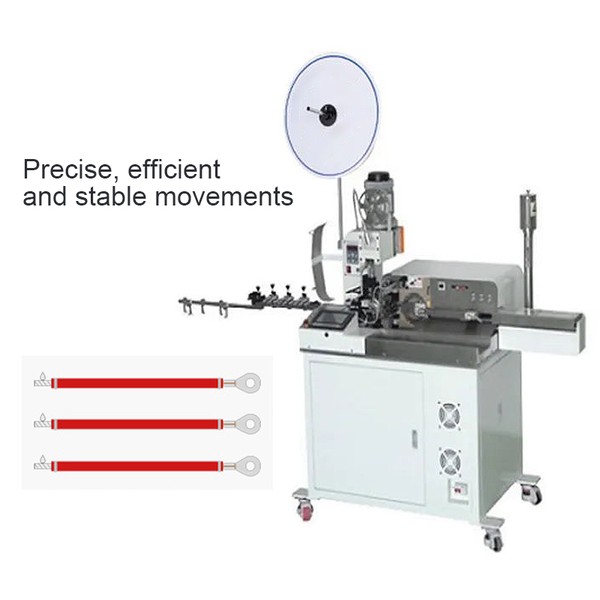
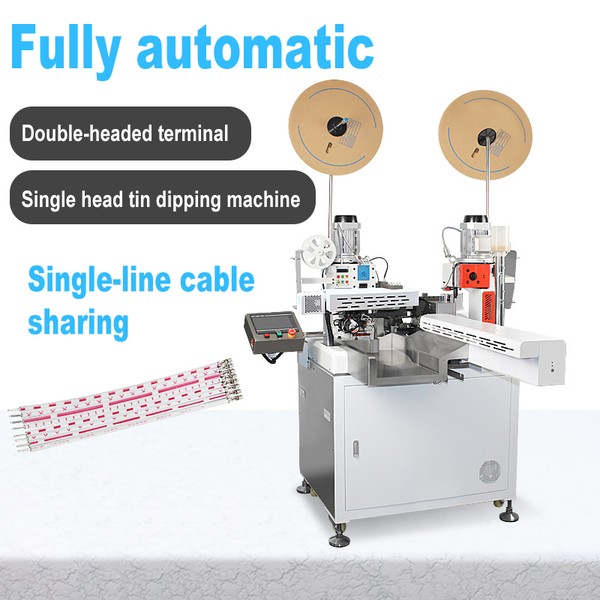
Some joints must survive more than a crimp. Where a terminated wire goes on to be soldered, resistance-welded, or clamped under a screw, the crimped end is dip-tinned so the strands are locked together and the joint can be reflowed without the strands opening. These machines crimp and dip in one sequence, which avoids re-orienting the wire between operations and keeps flux off the terminal. The variables that matter — solder alloy, flux, and bath temperature — follow your downstream process rather than the machine. If the wires must be tinned but no terminal is fitted, the standalone tin dipping machines are the correct page.
13 modelos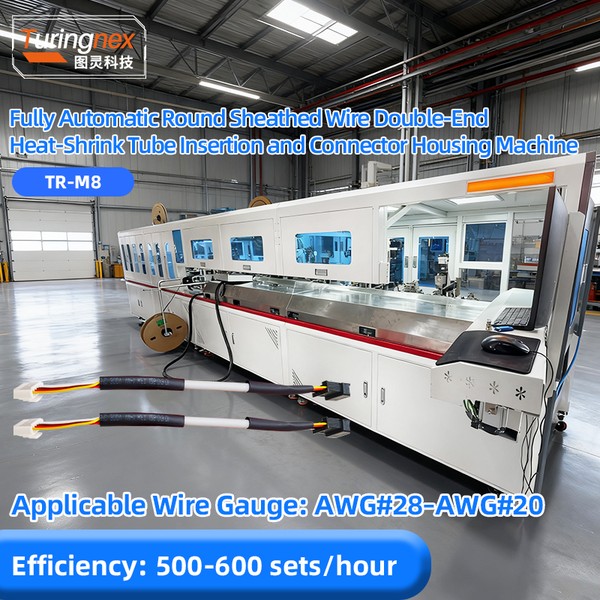
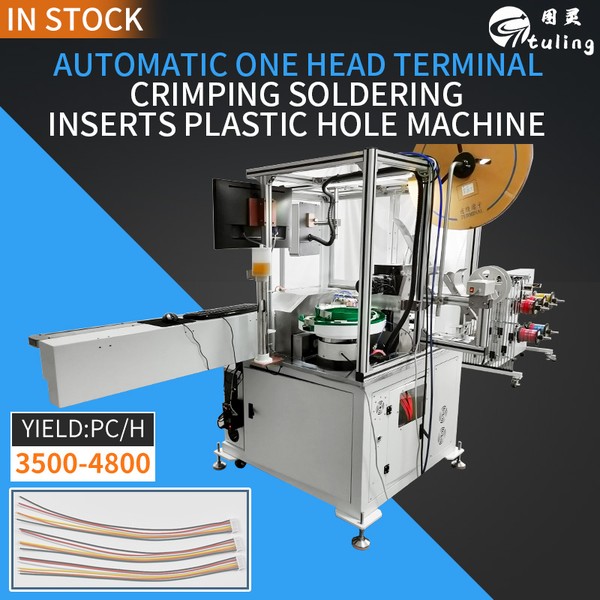
After the crimp, many harnesses require the terminal to be seated into a plastic shell or housing. Doing it in the same machine removes a station and, more importantly, removes the window in which a correctly crimped terminal can be seated at the wrong depth or in the wrong cavity. Machines on this page crimp and insert the shell in one cycle, with insertion depth and orientation controlled by tooling. Specify the housing part number and the cavity layout — the machine is built around the housing, and a change of housing is a change of tooling. This page also absorbs the auto-insert shell machines offered under an earlier naming convention, which were the same operation.
17 modelos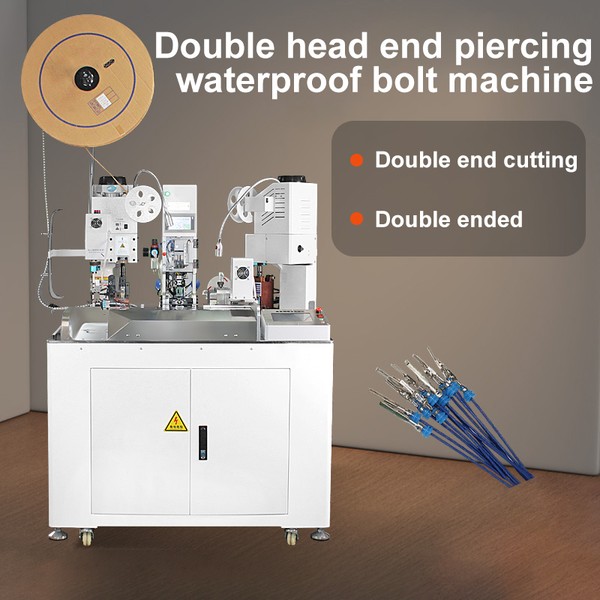
A sealed connector has to keep water out of the contact area, and that depends on a rubber plug or seal being compressed correctly in the connector cavity — which in turn depends on it being placed on the wire in the right order relative to the crimp. Fit it after the crimp and it cannot pass the terminal; fit it in the wrong position and the seal does not compress. Machines on this page place the plug or seal and crimp in one controlled cycle. The specification inputs are the seal part number, the wire insulation diameter that the seal grips, and the connector cavity. Sealing performance is verified on your wire and seal before shipment.
7 modelos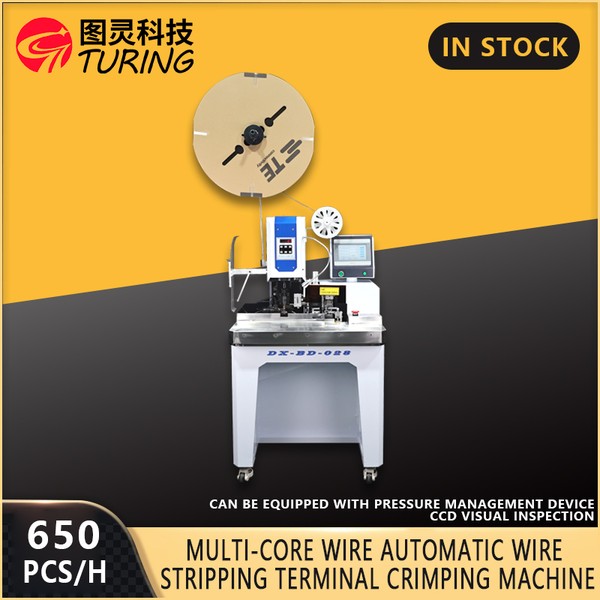
Sheathed and round cable carry an outer jacket that must be prepared before any crimp is possible, and the preparation is what defines these machines: the jacket is stripped to a set length, any filler is cleared, and the conductor is stripped and crimped in the same setup. Machines on this page handle the jacket inside and outside the core, and the family is specified by overall cable diameter rather than by conductor cross-section — a distinction worth stating on an enquiry, because a machine sized for conductor gauge will not accept the jacket. Multiple cores, screened cable and filler construction each change the tooling. Sample cable is run before shipment.
6 modelos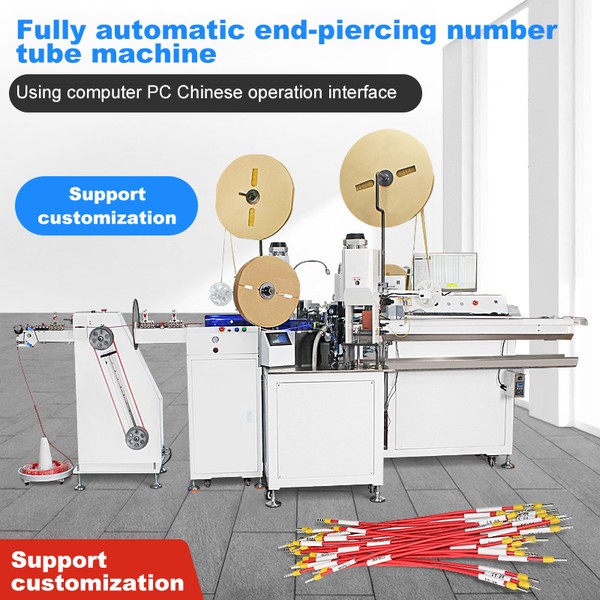
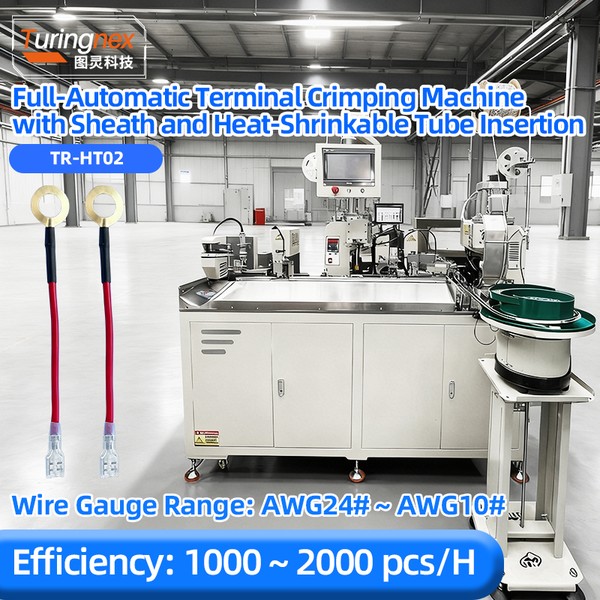
A number tube or marker sleeve has to be on the wire before the terminal is crimped: once the terminal is on, the tube cannot pass over it. Machines on this page insert the tube and crimp in the same cycle, which removes a handling step and eliminates the sequencing error that turns a completed wire into scrap. Two inputs define the machine — the tube inner diameter, which is set by the wire and the terminal barrel, and the crimp application itself. Print content belongs to the printing page if the tube must also be marked. Where the tube is a heat-shrink sleeve rather than a marker, the heat shrink insertion pages are the correct starting point.
20 modelos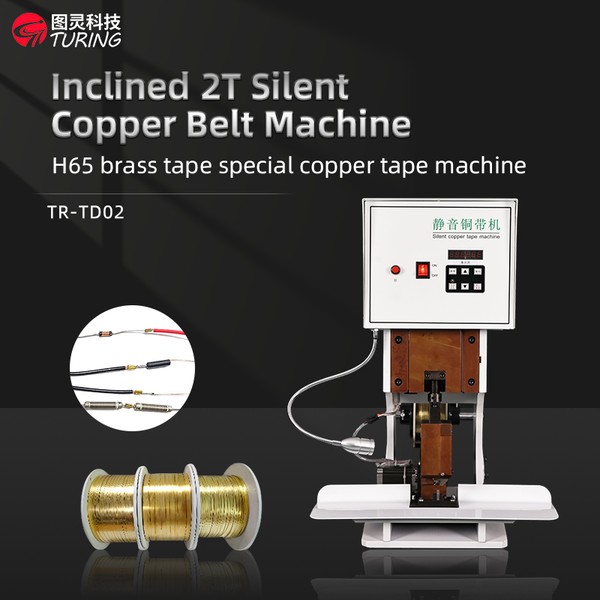
Not every crimp joins a wire to a terminal. Copper strip and copper tape are crimped onto conductors and shields to create a low-resistance bond over a length rather than at a point, which is used in shielding terminations, busbar connections and battery tab work. The material being crimped is flat, so the tooling is a die set rather than a terminal applicator, and the quality measure is contact resistance and pull strength over the bonded length. Give us the copper width, its gauge, the conductor arrangement and the required bond length. Because the tooling is made for the joint geometry, a sample of your strip and conductor is what we quote from.
11 modelos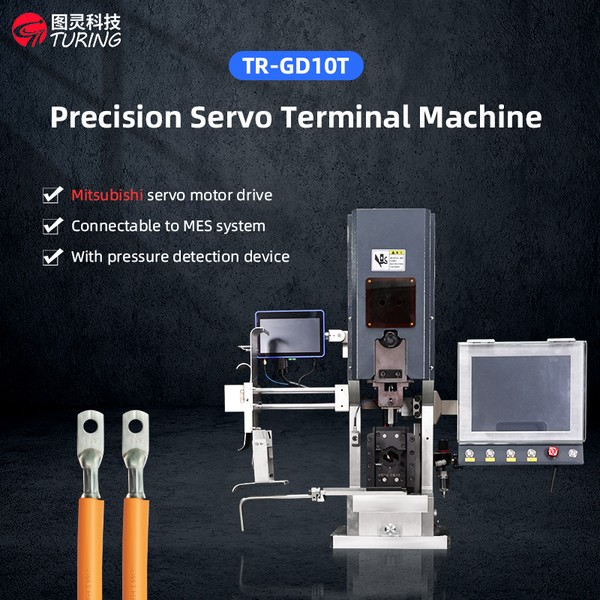
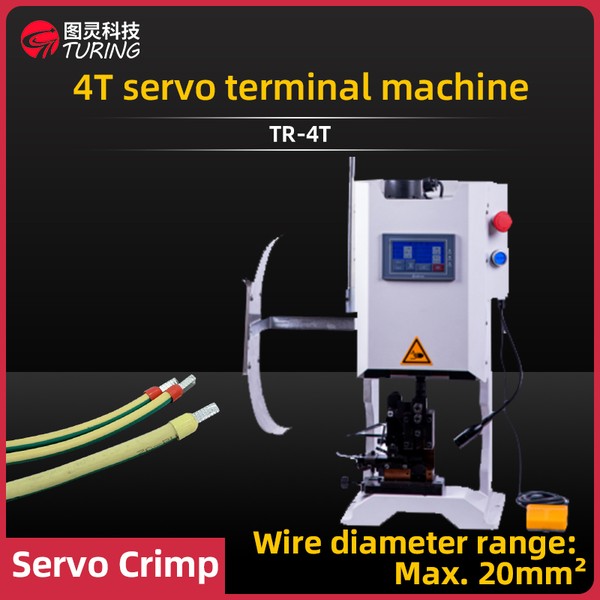
High-voltage and EV harnesses are crimped on larger conductors and in thicker insulation than 12 V harnesses, and they are inspected to a tighter standard because a marginal joint fails as heat rather than as an open circuit. Servo terminal crimping machines drive the stroke directly instead of deriving force from supply-air pressure, so crimp height and force repeat across a shift rather than drifting with the air line. This is the reason the servo tier is specified on EV work, more than any difference in cycle time. The sizing inputs are the conductor cross-section, the terminal series, and whether a shield or seal is applied. We machine the applicators in-house.
15 modelos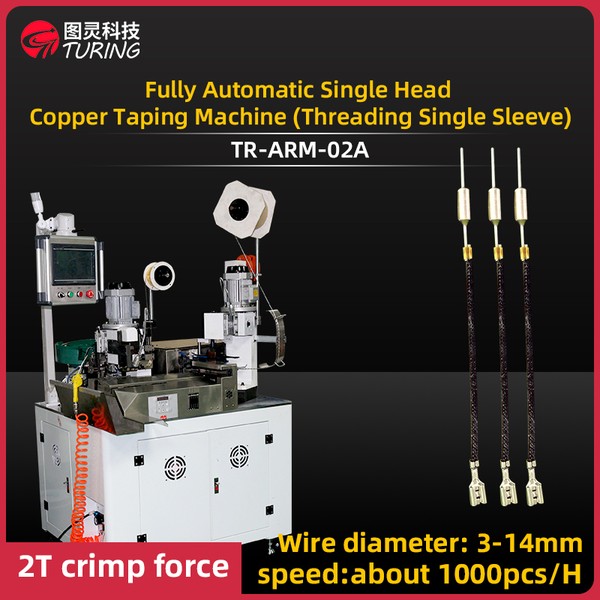
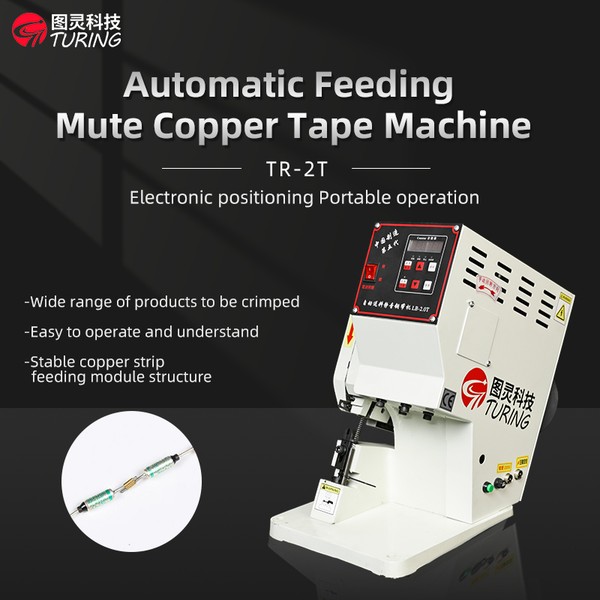
Copper tape is used to bond a shield or a conductor over a defined length, and an automatic machine does four things without an operator: feed the tape, cut it to the required length, position it, and bond it. Automation matters here for a specific reason — bond length and tape tension decide contact resistance, and both vary when the tape is laid by hand. Sizing runs on the copper width and its gauge, the bond length, and the substrate, which may be braid, foil or a solid conductor. Tapes differ in how they feed, so we ask for your tape roll and run it on the machine before the order is confirmed.
5 modelos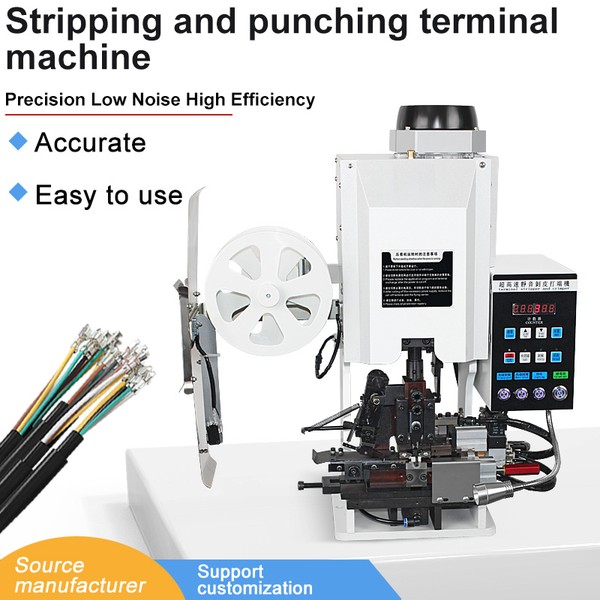
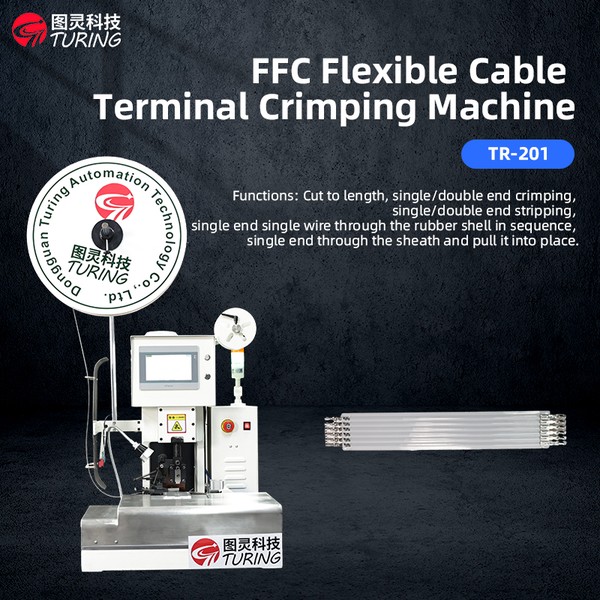
A jacketed cable needs more preparation than a single-core wire: the outer jacket is scored and pulled back, any filler and foil are removed, and the conductor is stripped before the terminal goes on. Doing strip and crimp in one pass on this machine keeps the prepared end from being handled twice, which matters most on cable where the jacket is the mechanical support and pulling it back disturbs the lay of the inner cores. The selection inputs are jacket diameter, core count and terminal series. Machines are configured for the cable in front of us rather than chosen from a range card, so a length of your cable is what we quote from.
4 modelos
The argument for a servo press is repeatability, and it is worth stating precisely: a pneumatic press converts supply-air pressure into force, so the force varies with the pressure available at that moment in the shift. A servo press drives the ram to a programmed position with a programmed force profile, and holds it. For terminals near the edge of their crimp-height window, or for joints that are inspected by cross-section rather than by pull test, that difference decides acceptance. These machines use that architecture in single-head and double-head forms. Confirm the terminal series and the crimp-height window from your specification; both are needed before tooling is quoted.
5 modelos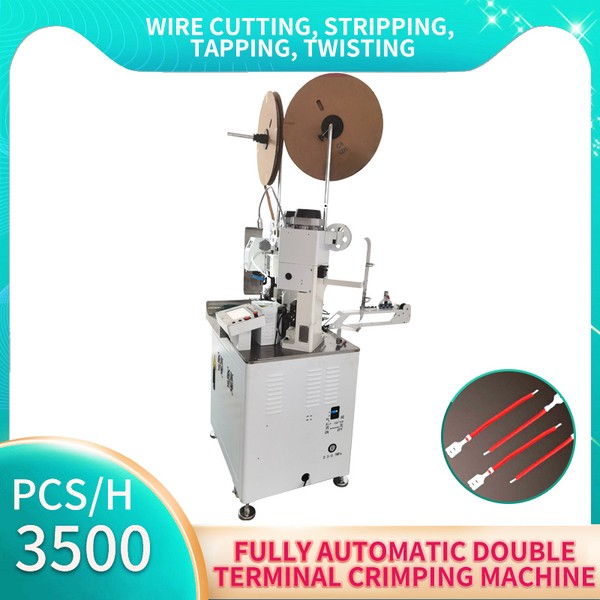

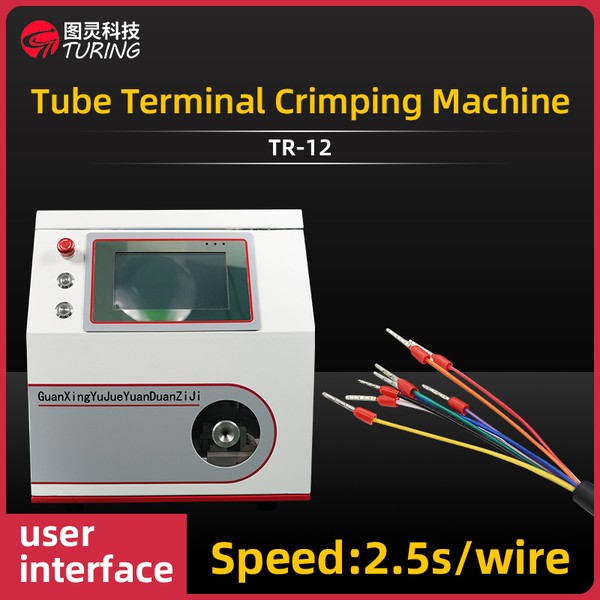
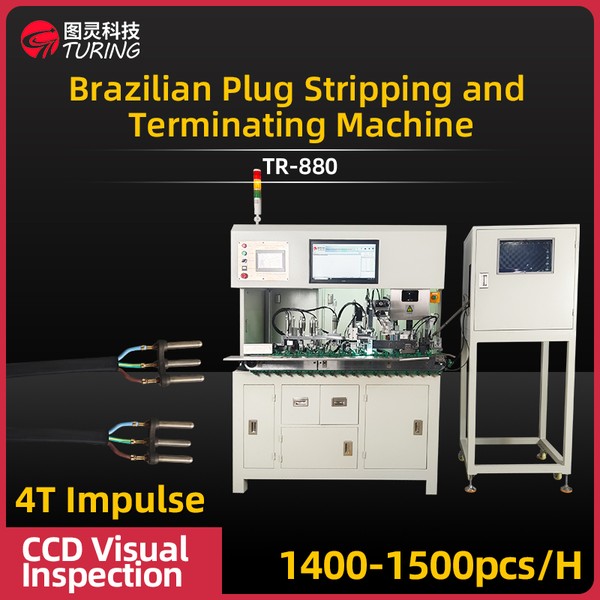
Máquina de Crimpagem de Terminais é uma decisão de compra real. Veja o que você obtém ao fazer o pedido diretamente da fábrica — capacidades verificadas, declaradas de forma clara.
Compre diretamente da fábrica em Dongguan a preços de fabricante — sem margem de empresa comercial.
Máquinas com certificação CE fabricadas em uma oficina com certificação ISO9001, com Alibaba Trade Assurance disponível mediante solicitação.
Cada máquina passa por um teste completo de funcionamento e um vídeo do envio é gravado antes de sair da oficina.
Cobertura de garantia em cada construção, peças de reposição genuínas enviadas para todo o mundo, suporte remoto incluído.
Envie seu fio e terminais — fazemos um teste de crimpagem/decapagem e compartilhamos o vídeo antes de você decidir.
Matrizes e ferramentas fabricadas de acordo com o seu desenho técnico final, para que a máquina produza suas peças desde o primeiro dia.
| Modelo | energia | aplicativo | recurso | garantia | MOQ | Preço (FOB) | Ação |
|---|---|---|---|---|---|---|---|
TR-TC03 TR-TC03 Máquina de crimpagem de terminais de cabos totalmente automática com duas cabeças | AC220V/50HZ, 300W | Indústria de fabricação de cabos | Desempenho estável | 1 ano | 1 set | Orçamento mediante solicitação | Visualizar → |
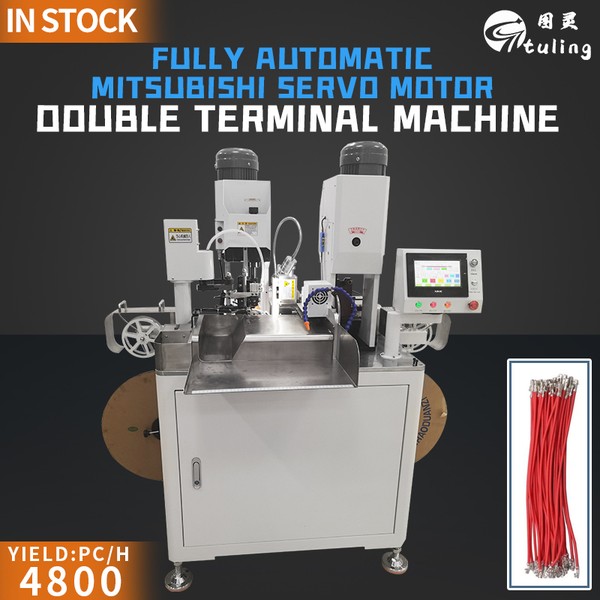
TR-TC05 TR-TC05 Máquina de crimpagem de terminais de cabeçote duplo com motor de passo totalmente automática | AC220V/50HZ, 300W | Indústria de fabricação de cabos | Desempenho estável | 1 ano | 1 set | Orçamento mediante solicitação | Visualizar → |
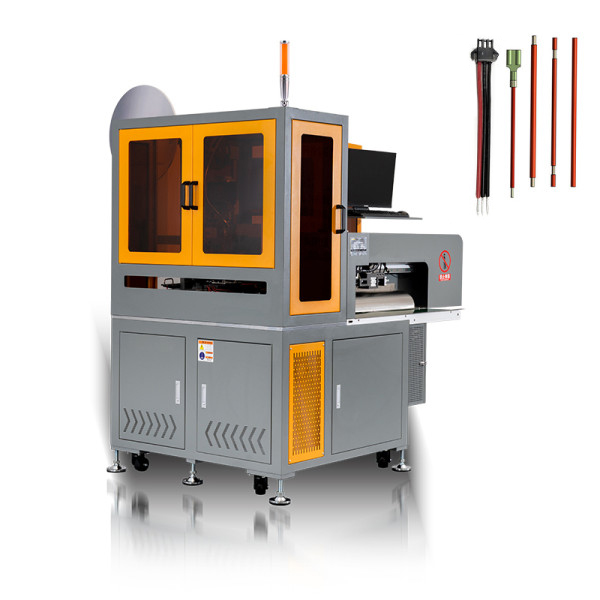
TR-TC06 Fully Automatic Cutting Stripping Tapping Terminal Crimping Machine | AC220V/50HZ, 300W | Indústria de fabricação de cabos | Desempenho estável | 1 ano | 1 set | Orçamento mediante solicitação | Visualizar → |
TR-PX1 TR-PX1 Máquina de crimpagem de terminais de cabo de alta velocidade, totalmente automática, com cabeçote duplo | AC220V/50HZ, | Máquina de terminais de duas extremidades | Desempenho estável | 1 ano | 1 set | Orçamento mediante solicitação | Visualizar → |
TR-01S TR-01S Máquina de crimpagem de terminais de cinco fios com duas cabeças totalmente automática | AC220V/50HZ, | Máquina de terminais de cinco fios com duas cabeças | Desempenho estável | 1 ano | 1 set | Orçamento mediante solicitação | Visualizar → |
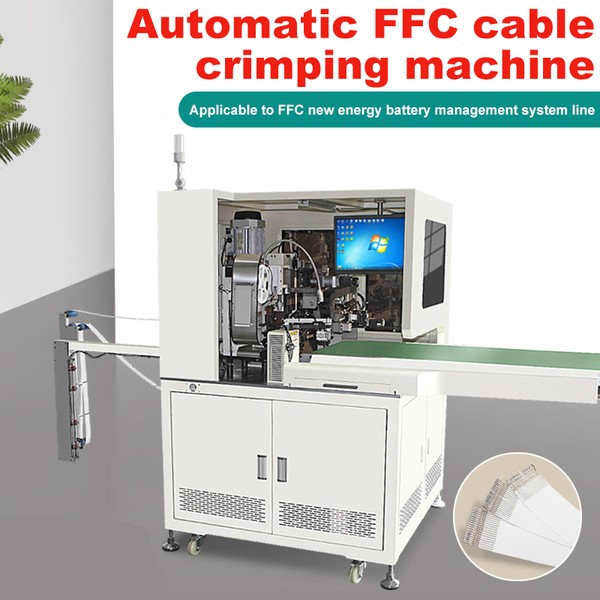
TR-06 TR-06 Máquina de crimpagem de terminais de cabos FFC totalmente automática | AC220V/50HZ, | Carcaça de inserção para crimpagem de terminais de duas extremidades, estanhada | Desempenho estável | 1 ano | 1 set | Orçamento mediante solicitação | Visualizar → |
Preços FOB indicativos. As especificações finais e o prazo de entrega são confirmados no orçamento.
Todas as máquinas são montadas em nossa oficina em Dongguan e testadas antes do envio. Sequência de controle de qualidade: Raw material check → Machining → Assembly → 100% run-in test → Shipment video. Um vídeo de teste com seu próprio material está disponível mediante solicitação.
Publicamos apenas cotações verificadas — com empresa, país e contato identificado. Peça-nos referências de clientes em seu mercado e nós o colocaremos diretamente em contato.